Traditional Armenian Cuisine

An Anthology of Armenian Food, Taste, and Tablescape
What Defines Armenian Cuisine?
The Armenian Highlands are among the oldest continuously inhabited regions in the world. Nestled at the crossroads of Europe and Asia, Armenia sits at the intersection of the Middle East, the Mediterranean, and the Caucasus. This unique geographic position has shaped a cuisine that is both deeply rooted and richly layered. Armenian food has influenced neighboring regions, absorbed elements from them in return, and yet has always preserved its own distinct identity.
Armenia’s culinary heritage is a reflection of its dramatic landscape. From fertile valleys to rugged mountain highlands, from snowcapped ridges to the shimmering waters of Lake Van and Lake Sevan, the land itself has nourished the national table. Abundant grains, legumes, herbs, orchard fruits, and freshwater fish became the foundation of traditional dishes, guided by seasonality and respect for nature.
Through centuries of change, Armenians preserved their identity through food. Recipes, techniques, and rituals were passed from one generation to the next, keeping memory alive at the table. Armenian cuisine is not simply a collection of dishes – it is a story of land, survival, and continuity.

Core Armenian Table Staples – Armenian Signature Dishes
Special Occasion Dishes

During the holidays, kitchens are hustling and bustling, the aroma of spices from Armenian cuisine fills the entire house. Holiday meal preparation engages the whole family as all members are engaged.
Vegetable Main Dishes
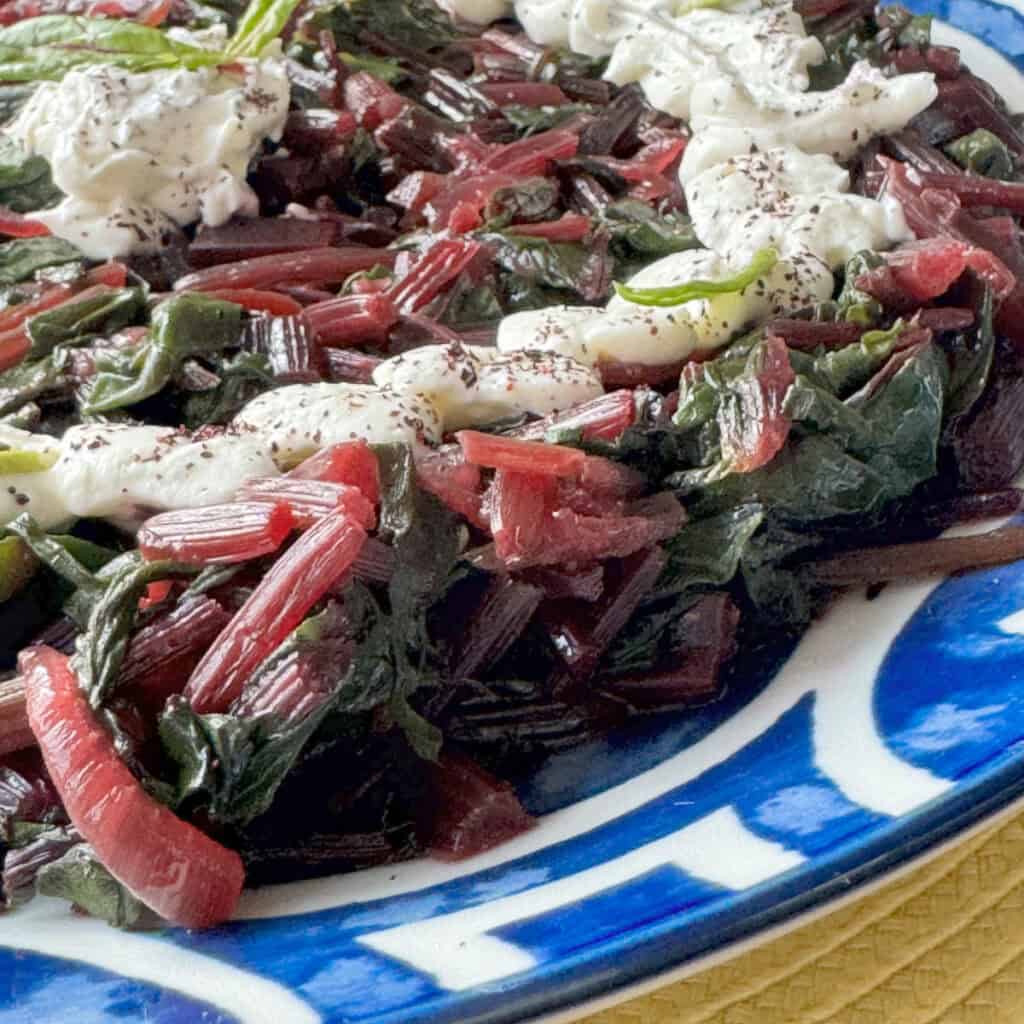
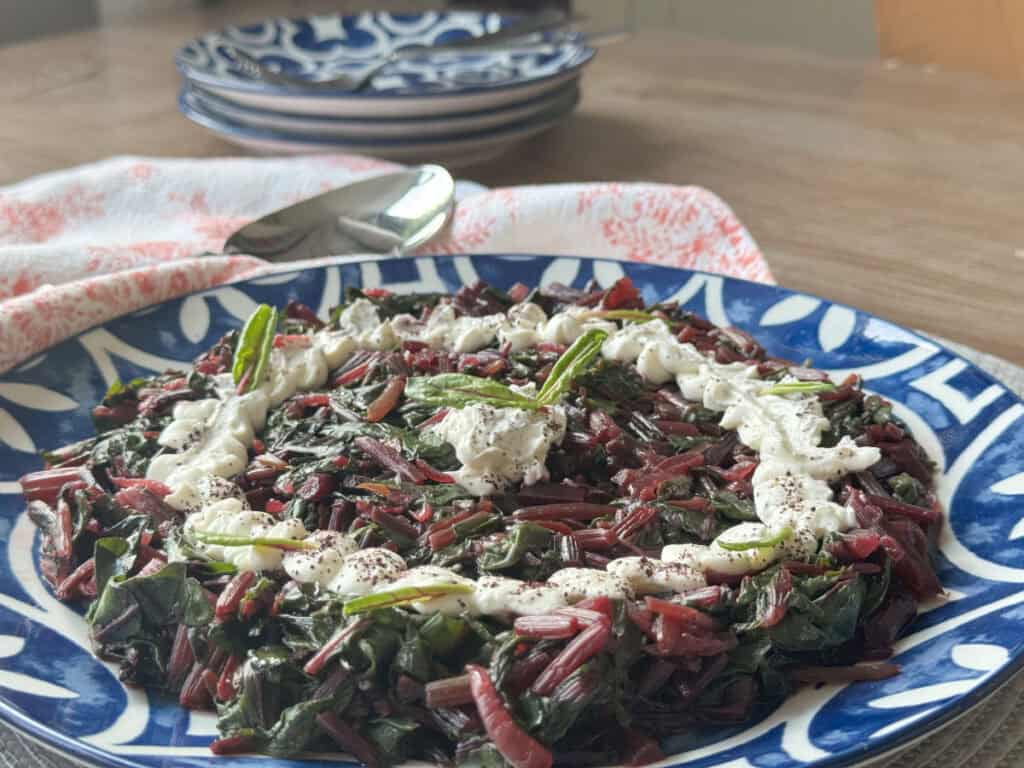
Seasonality defines the Armenian kitchen. Spring brings the “season of greens,” early summer heralds apricot season, summer showcases eggplants and tomatoes, late summer grapes, autumn celebrates pomegranate and pears—the list goes on. Each season delivers nature’s finest and challenges cooks to transform simple ingredients into extraordinary dishes.
Tolma

Tolma represents the heart of Armenian cooking. The variations are endless. Each family has a version that is slightly different but equally delicious. Almost all welcome home dinners with aromatic and heartwarming tolma.
Armenian Barbecue
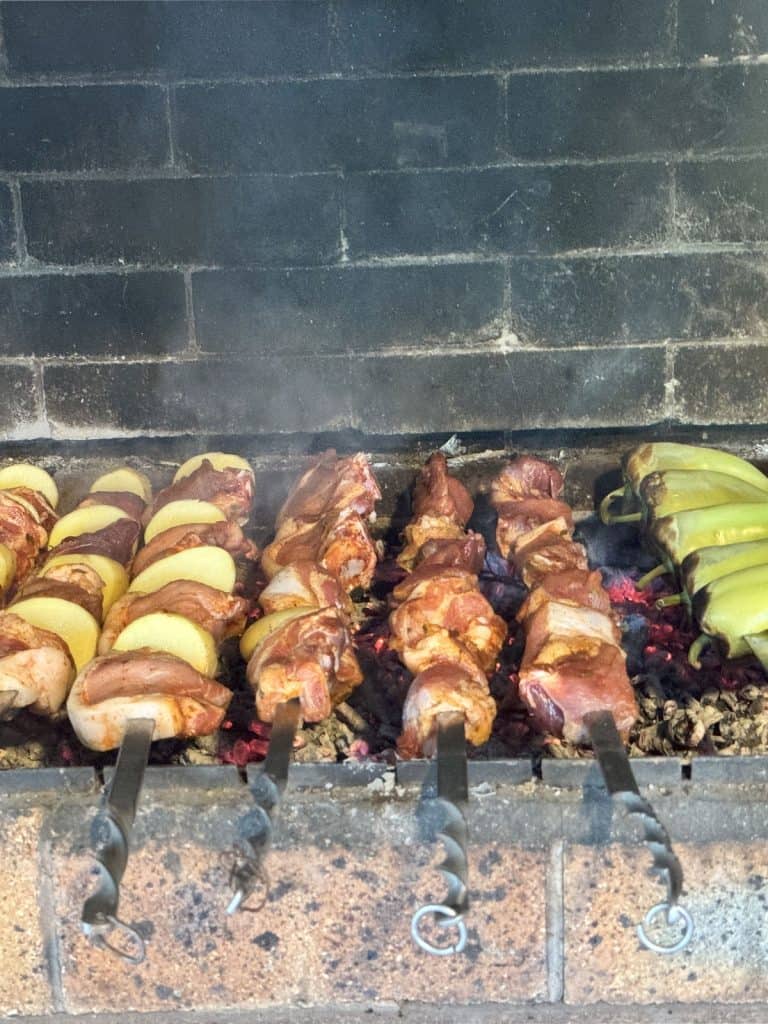
Armenian barbecue (khorovats) began as a ritual dish and remains the centerpiece of every festive table. This ancient tradition is rooted in the millennial custom of honoring deities and guests with fire-grilled offerings. Over the centuries, different styles of khorovats have been prepared throughout the entire territory of historical Armenia, with nearly every province developing its own variation. Some carry the name of their region, Urfa khorovats, Kabab from Mush, while others bear more descriptive names like Tonri khorovats (made in tonir), Choban khorovats (shepherd’s barbecue), or shish khorovats (barbecue on skewers). While the ritual element has faded, the tradition of honoring guests through shared meals remains strong in modern days. Modern khorovats transpose not only meat but a wide variety of grilled vegetables.
- Toniri khorovatc
- Shish khorovatc
- Shish kabab
- Urfa khorovats
Omelettes and Fritters

Armenian traditional cuisine is rich in thousands of types of delicious, nutritious and quick-to-make omelettes (dzvatsegh). Almost every province, every city, every village, even every Armenian home had its own recipe for making omelets. Foraged greens fried eggs are must haves on Easter Celebration tables.
Fritters, known as tapkotc, include anything fried in oil or ghee—crispy, golden morsels that range from delicate herb patties to substantial vegetable cakes.
Pilafs and Porridges
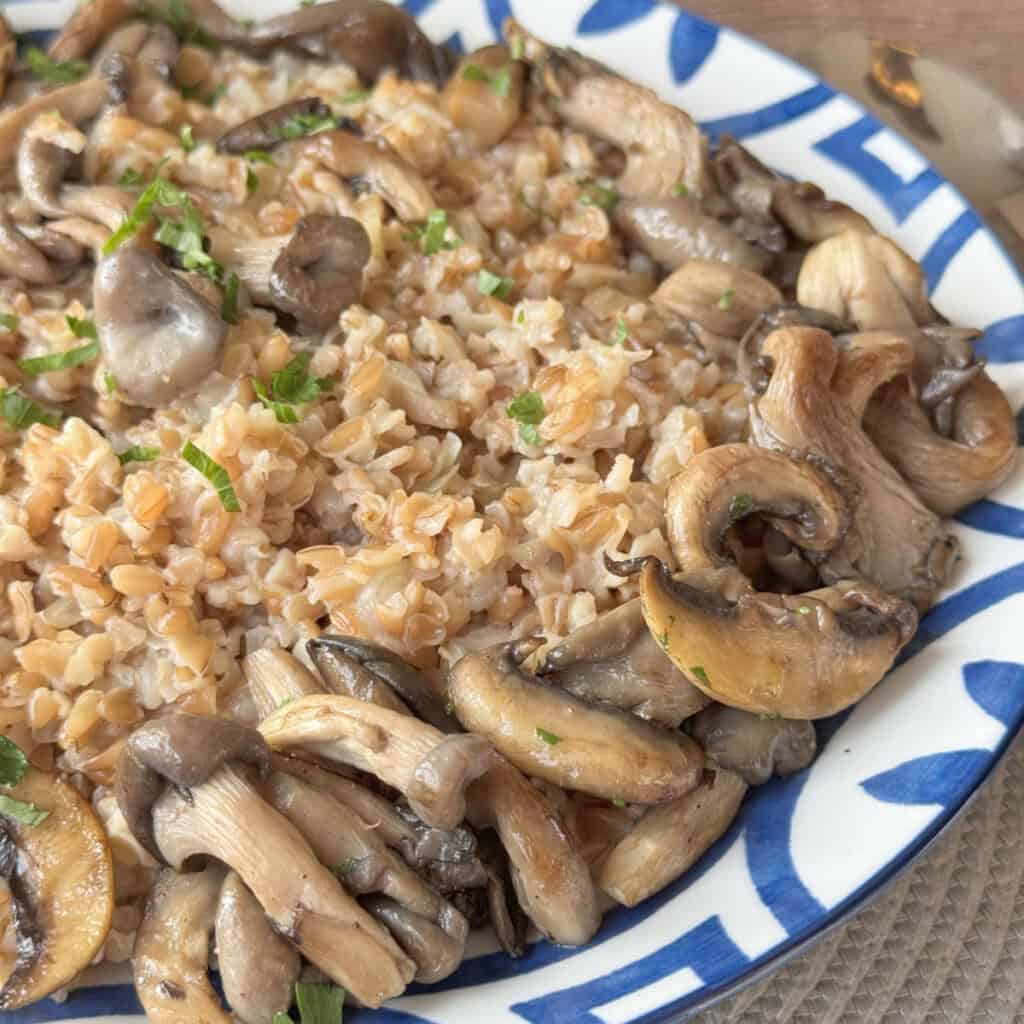
Pilafs are Armenian table staples, served as side dishes or standalone mains in countless varieties. Wheat, farro, rice, freekeh, barley, bulgur, and rye all have their place at the Armenian kitchen.
Pilafs are intricate part of both everyday dinners and festive gatherings, adapting to the occasion with simple or elaborate preparations.
Soups & Stew
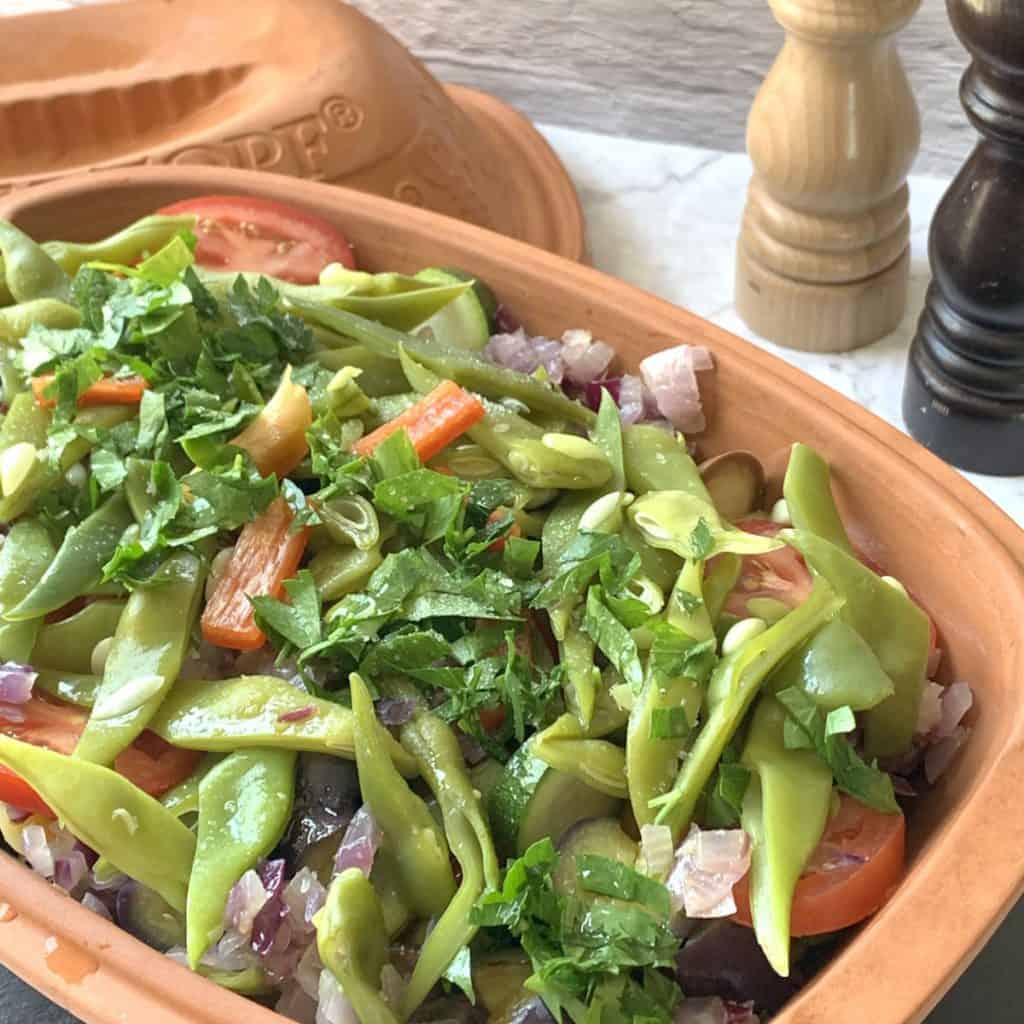
Khash, one of Armenia’s oldest dishes, is a beef knuckle soup that embodies traditional Armenian cooking. Simmered long and slow over low heat with constant stirring, it draws out rich gelatin from bones. No salt, no spice – just pure, nourishing broth.
Armenian soups come in a wide spectrum from simple few-ingredient preparations to elaborate creations requiring multiple techniques. They’re built on diverse bases: beef or lamb broths, fish stock, vegetable broths, milk, fruit broths, yogurt, or buttermilk. Some are served hot, others cold. They incorporate vegetables, grains, pasta, fruits, legumes, and fresh herbs, creating a diverse flavor landscape that reflects Armenia’s seasonal abundance.
Breads and Pastries
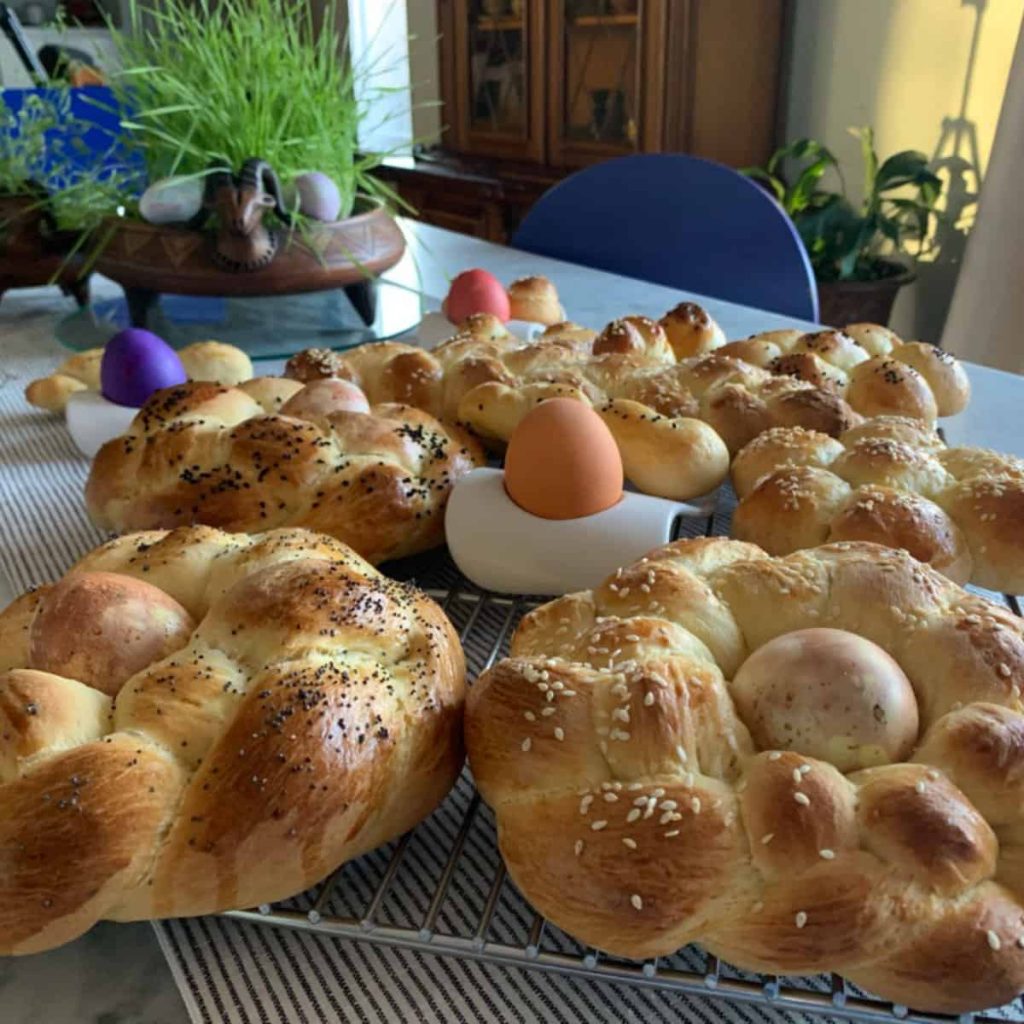
Bread is sacred in Armenian culture. Bread holds such importance that the Armenian language contains more than 50 words for it and hundreds of bread-related sayings. The very verb “to eat” means “to eat bread.”
The varieties are vast: UNESCO-recognized lavash, integral to Armenian cuisine; puffy boquon; matnakash flatbread with finger grooved indentations; stone-baked quari hatc; tonir-baked torni hatc—the list goes on. Each represents generations of baking tradition and the Armenian people’s deep reverence for their daily bread.
Cakes and Confections
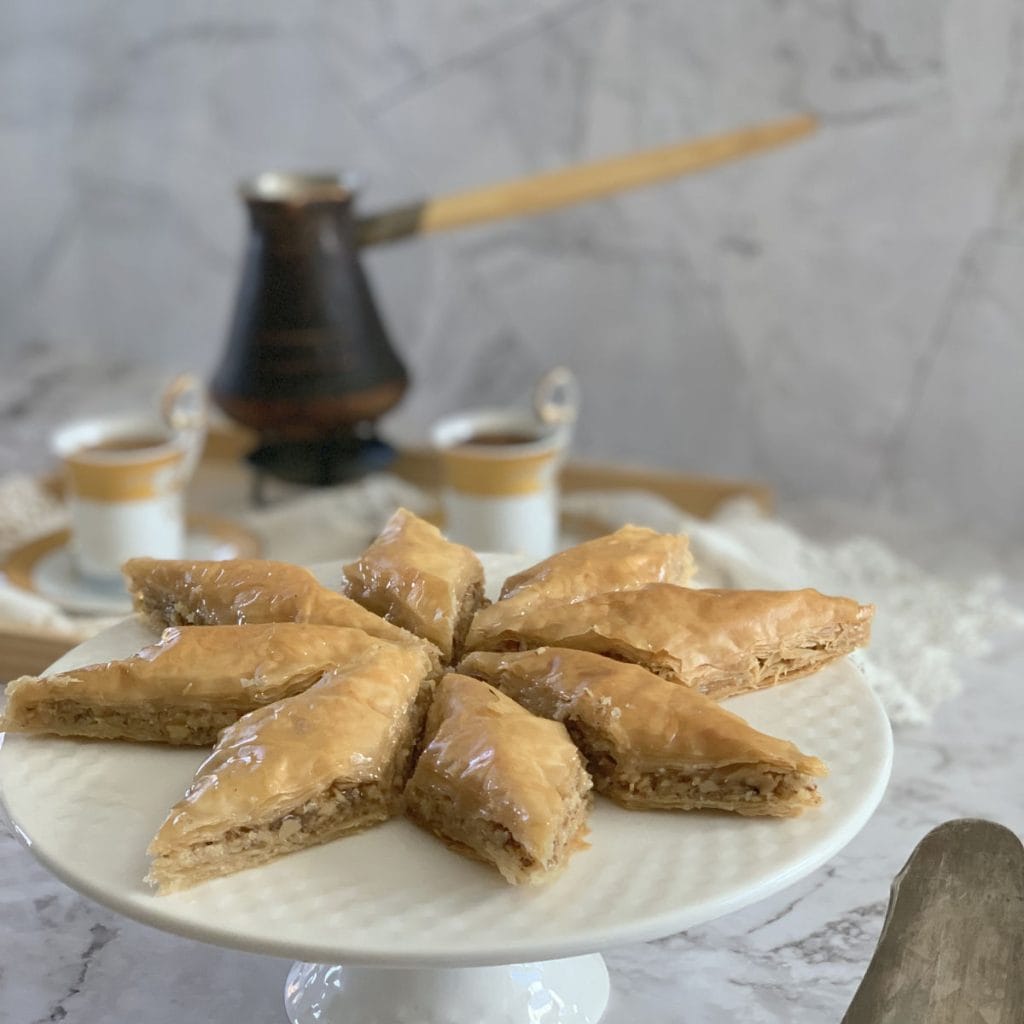
Confection is a great part of the Armenian table. Cakes are a relatively more novel introduction to Armenian cuisine however a lot of confections and pastries were passed from generation to generation. Havi tulumba, pakhlava, halva to name a few.
Salads & Mezze
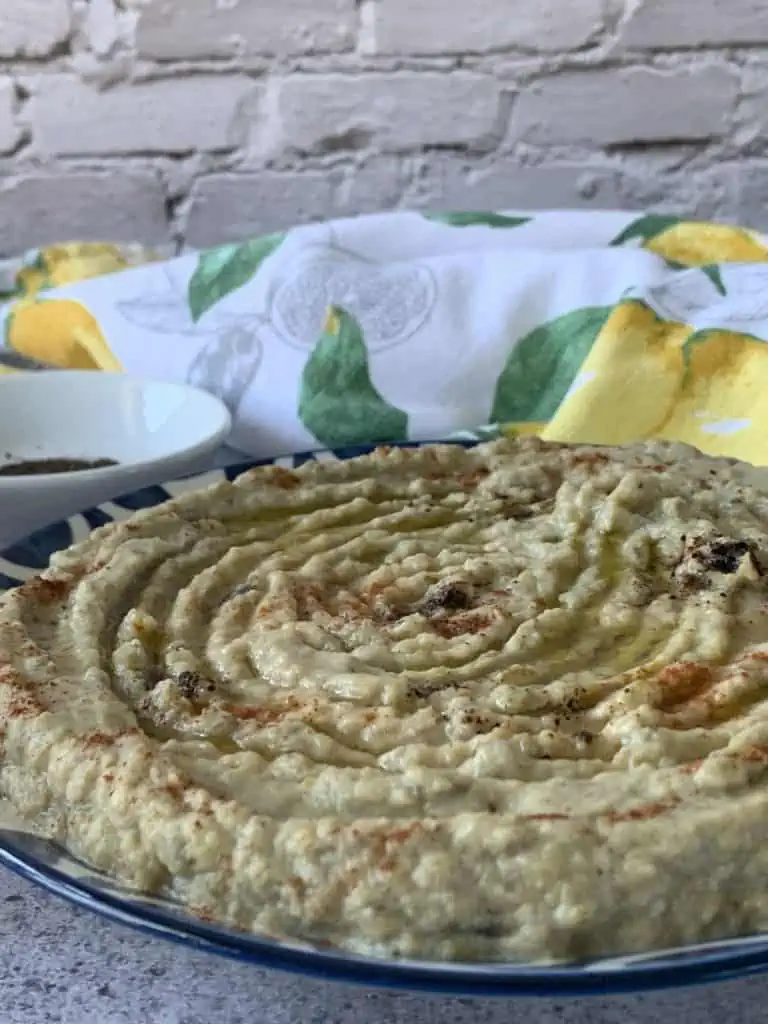
Small bites and mezze (akrat) define the Armenian table. Whether they’re part of a grand dinner or stand alone as light fare, Armenians serve them with generous abundance (with a slogan): “the more, the better”.
The spread includes vibrant salads, baskets of fresh seasonal greens and vegetables, dips and spreads (tatkhan and tatcan), assorted pickles, and cured meats like basturma and sujukh. Expect both cultivated and wild foraged greens, vegetables, legumes, and other ingredients that the season offers.
Fruit and Vegetable Preserves
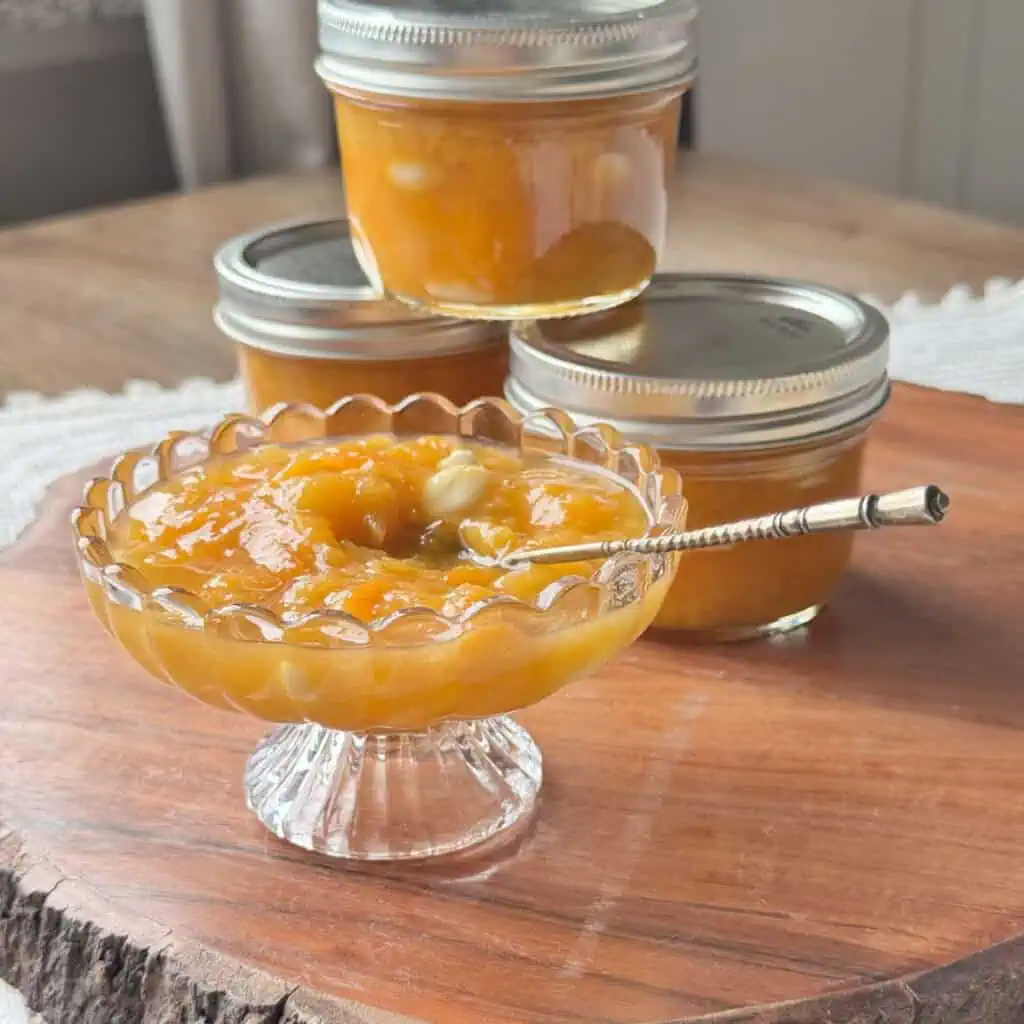
All the fruits have there own prime season when they are in abundance. This is when they are in a pick of their ripening with full flavor. Fruit preservaion became an art in making fruit leathers, syrups, nectars, molasses, dried fruit. More recently, sugar jams and fruit preserves became part of the Armenian kitchen. Preserves were not only for friut, but vegetables like pumpkin, green tomatoes, mini eggplants, walnuts and even flowers (rose petals).
Modern Fusion Creations
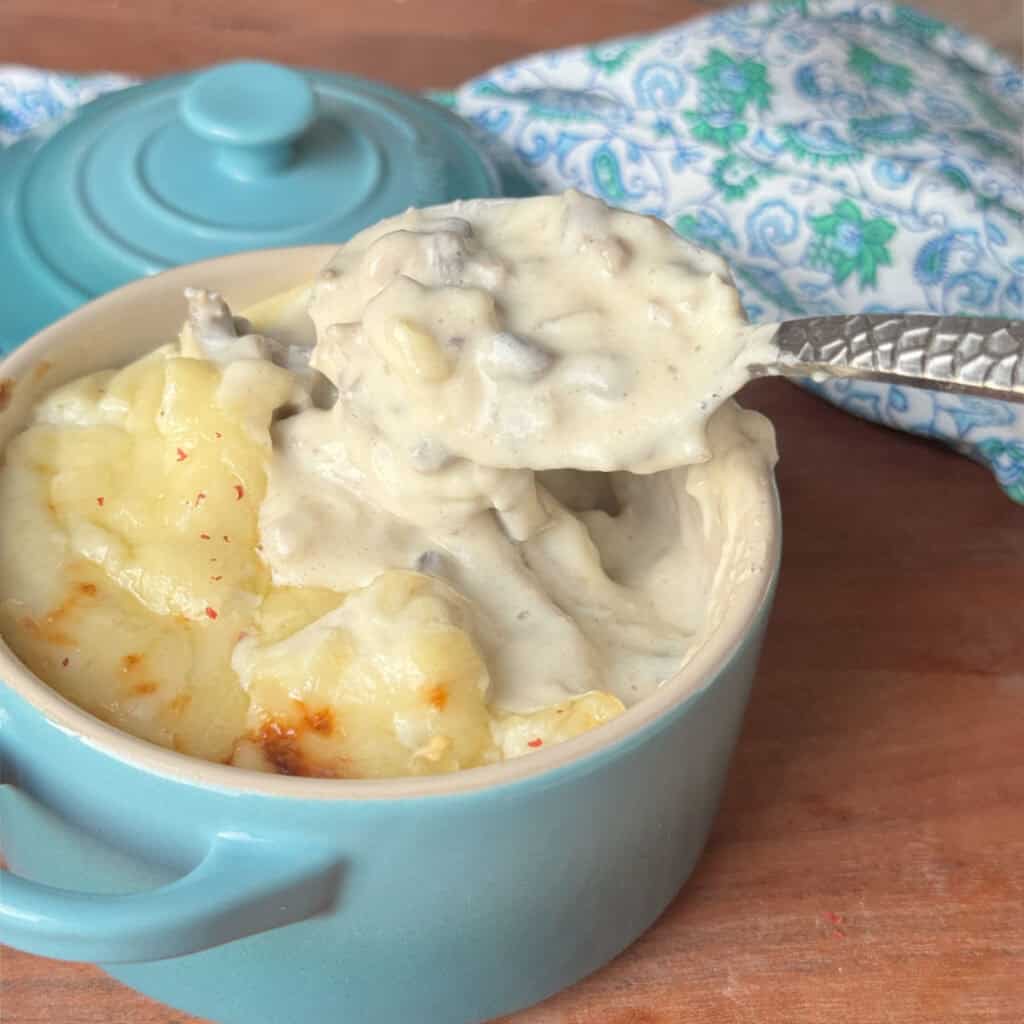
Armenian cuisine continues to evolve with more cooking ingredients and techniques available. Some trends come and go but certain dishes have been adopted and reinvented in the Armenian modern kitchen.
The Essential Pantry of Armenian Cooking
At its heart, Armenian cuisine is remarkably plant-forward. Long before “farm-to-table” became a culinary trend, Armenians were cooking seasonal produce, building meals around what the earth provides.

Grains & Cereal

Grains form the backbone of the Armenian diet. From the whole grain to flour, with bulgur wheat appearing in tabbouleh and rice serving as the foundation for farro pilaf variations. Here are some of the most common grains that you can find in Armenian pantry.
Top row from left to right:
- Pearl Barley
- Rice
- Parboiled Wheat (korkot)
- Buckwheat
Bottom row from left to right:
- Fine bulgur #1
- Freekeh
- Bulgur coarse #2
- Farro
Herbs Greens Vegetables

Fresh herbs and greens hold a special place on the Armenian table. Parsley, cilantro, dill, tarragon, basil, and mint are not simply garnishes but rather hold a uniquely dominating place. Fresh lavash, cheese and handful of greens can be a meal for a lot of Armenians.
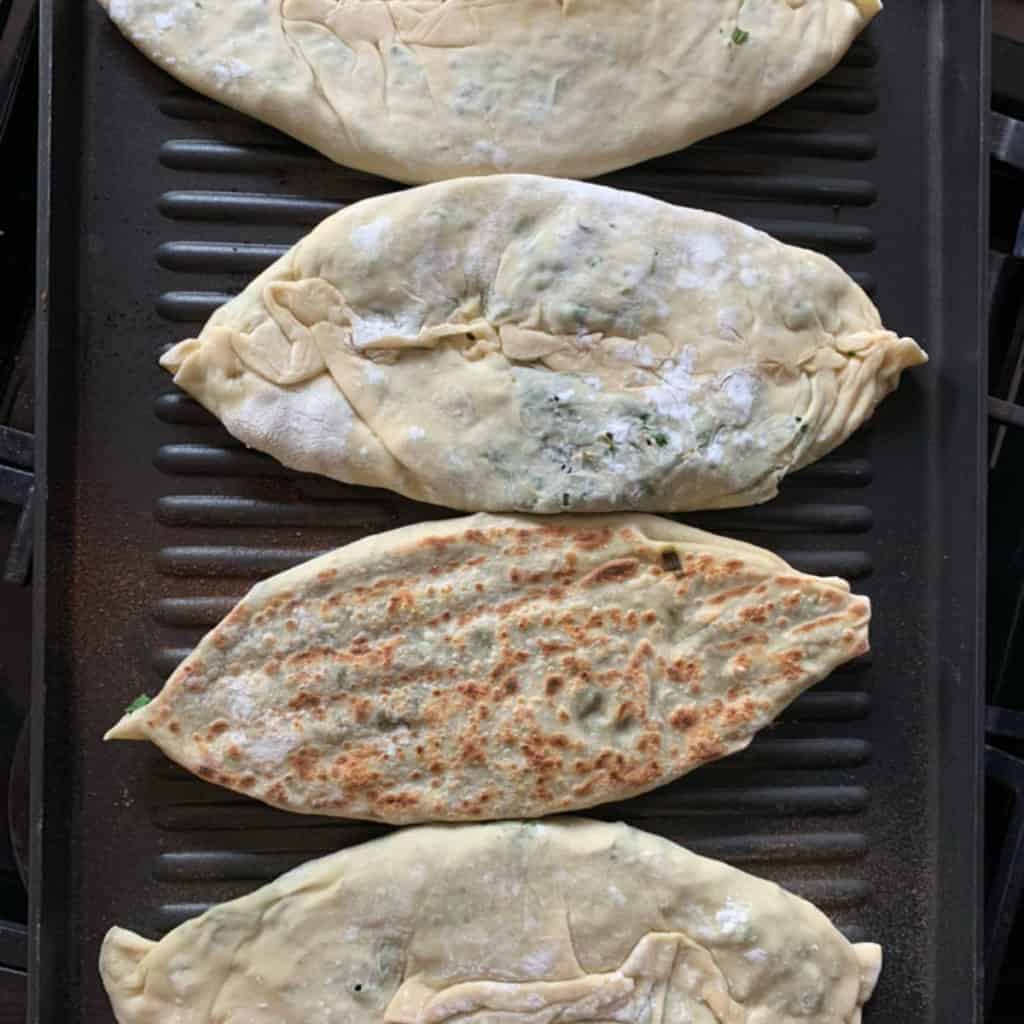
With the arrival of spring, the first tender greens appear in markets and countryside fields. Armenia has a remarkable tradition of foraging, with more than 300 varieties of edible wild greens used in cooking. These herbs and plants transform simple meals into deeply aromatic dishes, such as herb omelets and the iconic jingalov hats, a flatbread traditionally filled with ten or more varieties of greens.
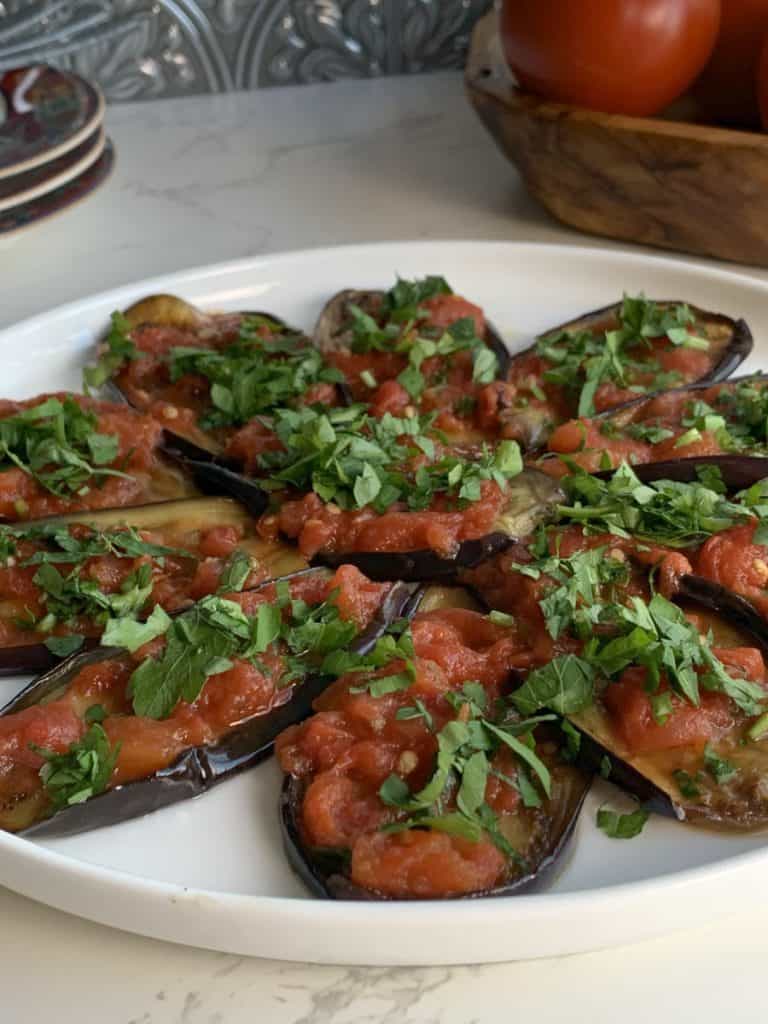
Vegetables are equally central to Armenian cooking. During the summer harvest, eggplants, peppers, tomatoes, squash, okra, green beans, cabbage, and turnips appear in abundance. At their peak, they are prepared in stews, salads, dips, and side dishes.
Because winters can be long and sparse, preservation has always been essential. Vegetables are dried, pickled, or marinated at the height of the season, ensuring their flavors continue to enrich the Armenian kitchen throughout the colder months.
Beans and Legumes

Beans and legumes play an important role in Armenian cuisine, particularly during Lenten periods when animal products are traditionally avoided. Nutritious, filling, and versatile, they form the backbone of many plant-based dishes and soups.
Chickpeas, lentils, and beans appear across the Armenian table in stews, salads, and hearty soups. They provide a rich source of protein and have long sustained rural and monastic kitchens alike.
Some traditional dishes built around legumes include:
- Pasuts Tolma (Lenten Tolma) – A mixture of chickpeas, lentils, beans, wheat groats, and herbs wrapped in fermented cabbage leaves.
- Pochapoor – A thick bean soup, often enriched with walnuts and warm spices.
- Piti – A hearty soup where chickpeas with lamb cooked in clay pot in wood fired oven.
- Krchik – A rustic Lenten dish of sauerkraut, wheat groats, and beans.
- Lentil Soups – Often paired with the distinctive tang of dried aveluk (wild sorrel).
- Red lentil koftas
- Falafel
Fruits, Nuts & Orchard Culture

Armenia is known as a sunny country with an abundant and diverse fruit harvest. Each season brings its own treasures.
The fruit season begins in May in the Ararat Valley, when strawberries and cherries ripen in the south. Throughout summer, markets fill with apricots, peaches, and plums. Autumn is the peak of abundance. From September to November, stalls overflow with grapes, melons, pomegranates, apples, pears, figs, persimmons, and more. It is a season of both celebration and preservation, when fruits are enjoyed fresh and also dried or turned into jams and fruit leathers for winter.
The apricot (Prunus armeniaca) is one of Armenia’s national symbols. Often called the “Armenian fruit,” it reflects the country’s deep agricultural roots and sun-filled landscape. Fragrant and golden, the apricot holds a special place in Armenian cuisine and culture.
Apricots: Armenia’s golden fruit appears in apricot nectar and golden apricot jam.
Armenian cuisine widely uses nuts, especially walnuts, hazelnuts, almonds, and pistachios, in desserts, sharots/sweet sudzhuh, gata, pastries, pakhlava, and sauces. Walnut is the most popular, often used raw or fried. Nuts are the basis of traditional sweets pakhlava.
Meat, Fish and Poultry

Historically, meat was a luxury reserved for special occasions. However there were widely consumed during off lent season.
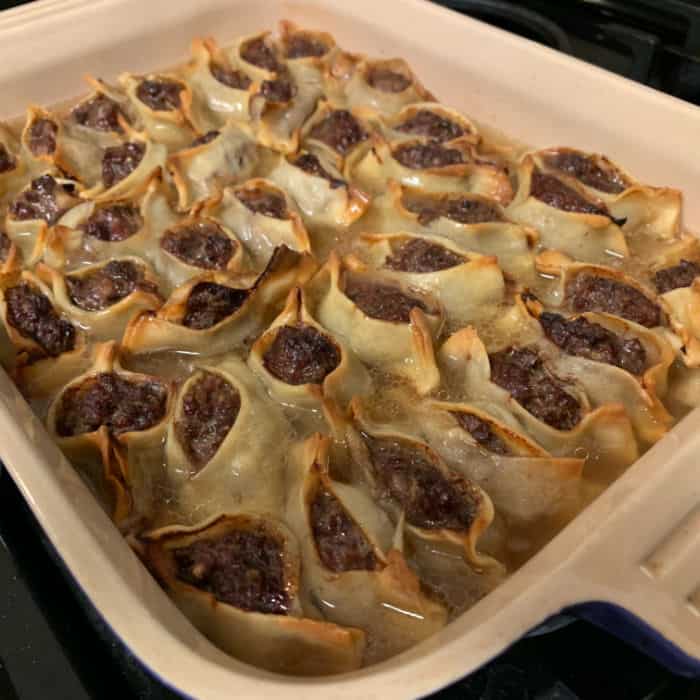
Armenian cuisine is famous for its abundance of meat dishes, where meat (mutton, beef, pork) is grilled, stewed or boiled with vegetables and herbs. The main culinary masterpieces include khorovac (barbeque), dolma (in grape leaves), kyufta (meatballs), kashlama (stewed meat) and lamajou (Armenian pizza), basturma (cured meat).
Armenian cuisine often includes dishes made with fish of local significance, such as trout, red trout, koghak, whitefish.
The most beloved fish in Armenian cuisine is Sevan trout (ishkhan).
Dairy: Yogurt, Cheese & Preserved Milk

Dairy is another essential pillar of Armenian cuisine. From fresh milk to aged cheeses, dairy products appear daily at the Armenian table.
Yogurt, known as matsun, is one of the most beloved staples. It is eaten on its own, served alongside vegetables and grains, or used as a cooling sauce for many dishes. Matsun also plays an important role in cooking, adding tang and balance to soups and stews.
Armenian dairy traditions include fresh milk, cream (rejan), matsun, and a wide variety of cheeses — from string cheese to everyday table cheeses, as well as motal, a distinctive aged cheese traditionally matured underground.
Preservation techniques are also central to this tradition. Chortan, a dried form of matsun, can be stored for long periods and later dissolved into soups or sauces.
- halats yough– Clarified butter,
- Kefir – Variation of a fermented milk
Spices & Flavor Foundations

Salt remains the most essential seasoning in Armenian cooking, forming the foundation of flavor in many dishes. Dried herbs and seeds follow closely behind.
Herbs such as thyme, savory, mint, and basil are widely used and often interchangeable depending on the region and the dish. Fenugreek also plays an important role, especially in the preparation of basturma, the traditional air-cured meat.
Armenian cuisine also embraces gentle heat from peppers. Alongside black pepper, vibrant Aleppo pepper and the smoky richness of Urfa pepper.
Situated along the historic Silk Road, Armenia absorbed influences from the spice trade that connected East and West. Spices such as allspice, bay leaves, cinnamon, cardamom, cumin, and nutmeg found their way into both savory and sweet preparations.
Acidity and sweetness are often balanced with vinegars and fruit molasses. Grape, mulberry, and pomegranate molasses have long been staple flavorings, bringing brightness and depth to sauces, stews, and marinades.
Armenian Regional Cuisine
Armenia’s history has shaped its regional kitchens as much as its landscape has. For centuries, Armenia was divided between the Russian and Ottoman Empires, and these political borders influenced culinary development in distinct yet interconnected ways.
Historic Armenia spans a vast and varied geography, from fertile valleys to mountainous highlands. Regional identities were deeply shaped by the land’s relief, climate, and natural resources. Local herbs, grains, fruits, and livestock defined what appeared on the table, and cooking methods evolved according to environment, necessity, and means.
As a descendant of families from both regions, who carries both Eastern and Western Armenian traditions, I see how different these cuisines can be, and yet how seamlessly they overlap at times.

Eastern Armenian Cuisine

Eastern Armenian cuisine developed in what is now the modern Republic of Armenia. Over time, it became not only the cultural core of Eastern Armenians, but also a refuge for displaced Armenians from Kars, Erzurum, Van, and now Artsakh.
The land itself defines Eastern Armenian cooking.
Around Lake Sevan, freshwater fish has long been central to the regional diet. In the forested northern regions of Lori and Tavush, nuts, foraged greens, wild asparagus, mushrooms, herbs.
The fertile Ararat Valley serves as Armenia’s agricultural heartland, abundant with orchards, grapevines, grains, and vegetables. Shirak province became a crossroads of migration, absorbing waves of refugees from across Greater Armenia and blending culinary traditions into its own region.
Western Armenian Cuisine

Western Armenian cuisine was shaped in the provinces of historic Western Armenia; Adana, Trebizond, Sivas, Kayseri, Kharpert, Diyarbekir, Bitlis, Erzurum, Van, and Kars.
During the devastating years of the Armenian Genocide, hundreds of thousands of Armenians were uprooted from these cities, towns, and villages. Forced into exile, they lost their houses, their homeland, but carried with them something that could not be taken or destroyed — their culinary memory. Recreating the recipes by heart became way of identity, survival, and continuity.
In refugee camps and new settlements across the Middle East, Europe, and the Americas, Armenians rebuilt their lives. In Beirut, Aleppo, Marseille, Los Angeles, Boston, and beyond, they recreated dishes from memory, kneading dough the way their mothers had, rolling grape leaves into tolmas, seasoning meat and bulgur by instinct, preparing holiday pastries that connected them to the land they had lost.