This post may contain affiliate links. As an Amazon Associate, I earn from qualifying purchases.
See my Affiliate Disclosure
.
Traditional tabbouleh salad is a bright, zesty, and herb-forward salad that has graced tables across the Middle East for centuries. Made with bulgur macerated in fresh herbs and vegetable juices, it’s a perfect salad to go with grilled meat and vegetables or served as a meal on its own.
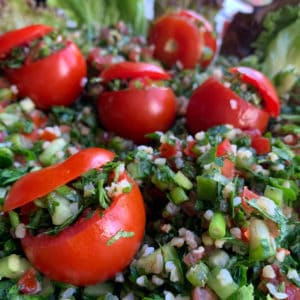
In my kitchen, tabbouleh is a favorite for spring and summer, served as a light meal, a side for grilled vegetables and meats, or an appetizer. Try it stuffed in tomatoes or scooped with lettuce leaves. I stay true to the traditional version where a mountain of finely chopped parsley dominates but add a few playful touches like fresh mint, cucumber, and scallions.
Menu Suggestion: Make It a Meal
For complete menu planning, consider pairing this tabbouleh salad with other crowd-pleasers that balance flavor and texture.
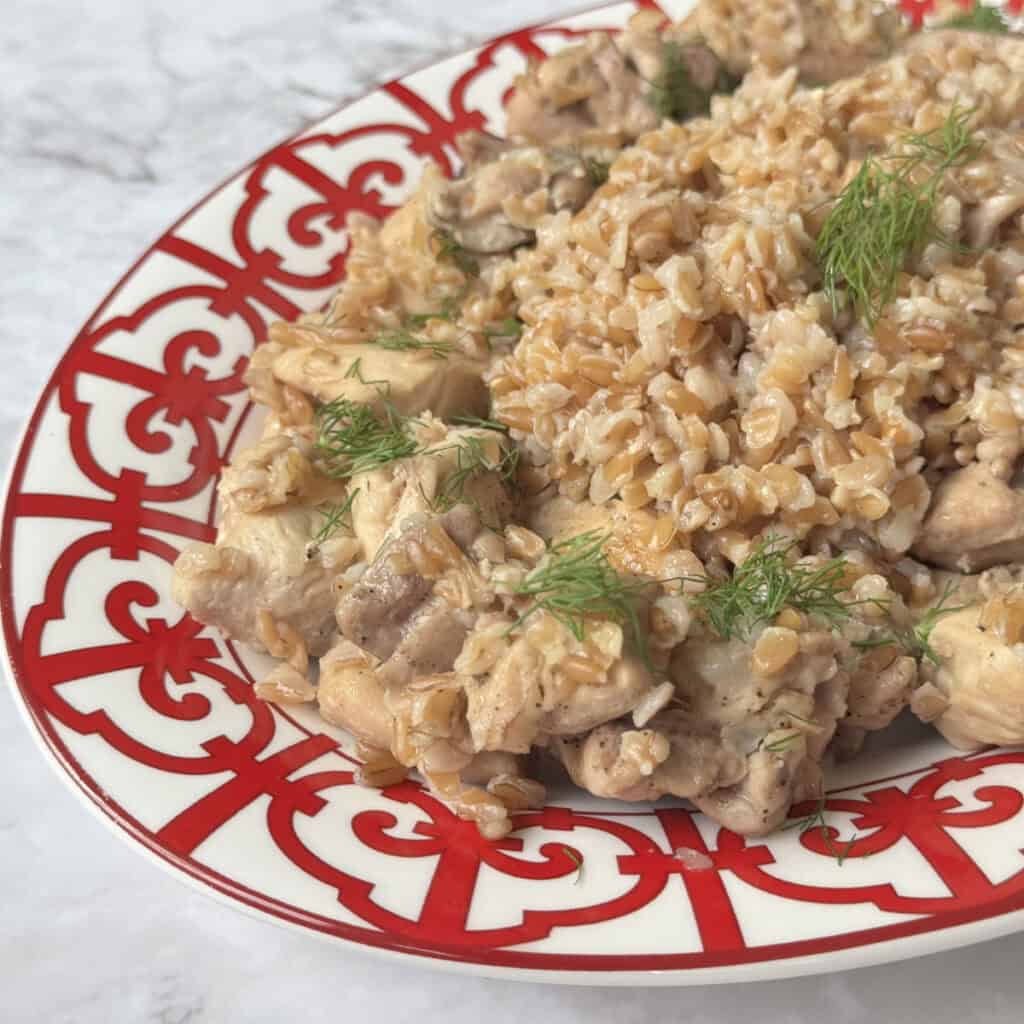
Main Protein: For a protein option, the rich, butteryChicken Kievis a classic and family favorite that never disappoints.
Main Vegeterian: I like to serve crispy, golden Potato Croquettesalongside as a vegetarian option.
Side: Bring something hearty like peppers stuffed with carrot confit to the table for a satisfying side dish. And don’t forget to end on a sweet note!
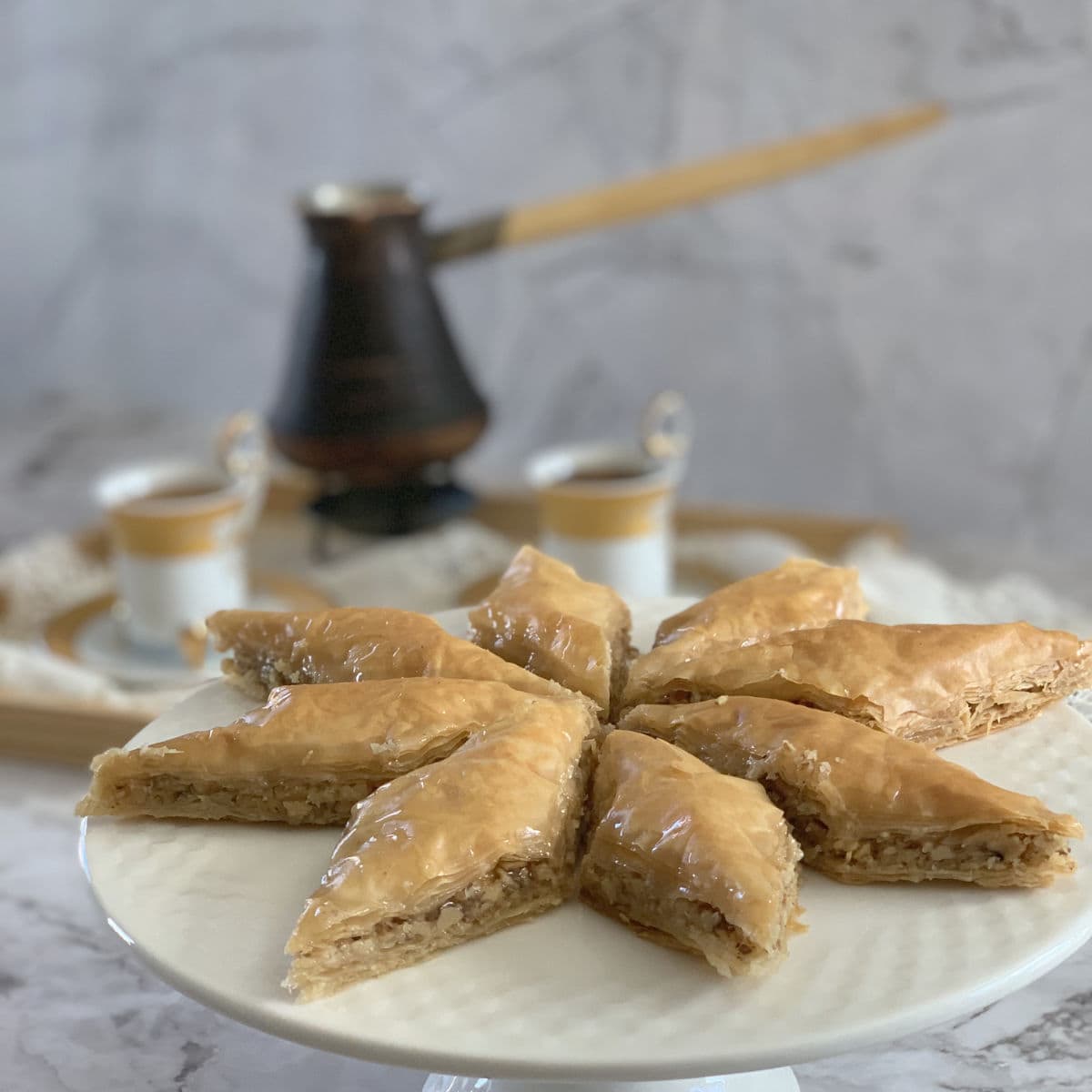
Dessert: A slice of flaky, aromatic Armenian Gata will wrap things up beautifully. This mix of recipes creates a vibrant, unforgettable spread for any occasion.
Table of Contents
Why I Love This Tabbouleh Recipe
There’s something incredibly refreshing and nourishing about a bowl of freshly chopped herbs and citrusy bulgur. It’s a naturally vegan, nutrient-rich salad that pairs beautifully with a variety of Mediterranean and Middle Eastern dishes, from homemade Egyptian falafel patties to Armenian red lentil koftas. This authentic tabbouleh recipe brings out the best of each ingredient, delivering bold flavors that are as vibrant as they are nourishing. Here’s what makes this dish stand out and why it will quickly become a favorite in your kitchen.
Perfect for entertaining or quick weeknight dinners: This authentic tabbouleh recipe with bulgur brings out the best of each ingredient—bright parsley, juicy tomatoes, and a lemony olive oil dressing that’s both light and satisfying.
Healthy and Naturally Wholesome: Tabbouleh is naturally low in calories and high in vitamins, minerals, and fiber, making it the perfect guilt-free addition to your meal.
A Versatile Crowd-Pleaser: Whether you’re hosting a dinner or simply feeding your family, tabbouleh hits all the right notes. Serve it alongside classics like mutabal or creamy hummus for a full Lebanese spread. Craving something different? Use it as a topping for your favorite wraps or create a layer for a Mediterranean bowl—this dish truly adapts to your creativity. Everyone will love how versatile and flavorful it is!
Grocery and Pantry List
Bulgur: Typically for tabbouleh, you use the fine or medium-fine bulgur.
Parsley: You will need a lot of fresh parsley. Maybe a bunch or two. Use the leaves and tender stems.
Scallions: Use both white and green parts of the onion. Try to find thin and slender scallions that have bright green shoots. If they are thick, score them lengthwise and then thinly chop them.
Tomatoes: Tomatoes are important and they need to be ripe, flavorful, and finely diced.
Cucumber: If the cucumbers are tender I leave the skin on. Peel the skin if you like the cucumbers without skin.
Mint leaves: This is optional but I like mint in my tabbouleh. It adds playfulness to the salad.
Lemon juice: Lemon juice is also an important ingredient, and you will need a good quarter-cup or more. And don’t use bottled lemon juice. You need fresh squeezed, full body lemon juice to add liveliness and marry all the other ingredients.
Oil: Use good quality oil. Sometimes olive oil can be too strong. Use an olive oil and grape seed oil combination for a milder flavor.
Seasoning: Salt, pepper, paprika, sumac, Aleppo peppers, cayenne pepper. You can use all of these or be selective.
Lettuce: Use lettuce leaves for serving. The crunchy, juicy lettuce leaves are perfect scooping vessel to serve and eat the tabbouleh salad.
Notes & Substitutions
Quinoa: Need a gluten-free option? Swap bulgur for quinoa. This protein-packed seed has a similar texture and holds up well in the salad. Cook it first in a tomato juice, then fluff it with a fork before adding to your mix.
Couscous: While not traditional, couscous can serve as an alternative to bulgur. Just like its counterpart, it absorbs the lemon and olive oil beautifully, though it has a slightly softer texture.
Time Required
10-12 minutes: To soak the bulgur
13-15 minutes: To chop all the vegetables and herbs
Use fine or medium-fine bulgur. Soak it in just enough warm water or tomato juice for 10 minutes until tender but with a slight bite.
Step 2: Chopping the herbs and vegetables
Choose ripe, flavorful tomatoes. Dice them finely using a sharp knife or onion chopper for uniform size and texture.
Step 3: Mixing the Citrus Dressing
What ties tabbouleh salad together is its zesty citrus dressing. To make it, you’ll need fresh lemon juice. Combine the juice with high-quality extra virgin olive oil to create a balanced base. A pinch of salt, paprika, and a touch of cayenne pepper.
Step 4: Combining the Salad
In a large mixing bowl combine the bulgur and tomatoes together. Add the diced cucumber, chopped parsley, and scallions, and gently toss them together.
Pour the citrus dressing over and give it another mix to coat everything with the dressing. Adjust the seasoning if needed. You might want to give another taste-test after the salad rested and chilled, as the bulgur will have time to absorb all the juices and flavors.
Chill the salad for at least one hour before serving.
Give the salad a final taste. At this stage, I like to add the mint. Either hand tear the leaves or chiffonade them. To chiffonade, stack the leaves, roll them tightly, and then use a sharp knife to slice across the roll into thin ribbons.
Serving Suggestions and Pairings
The best way to serve tabbouleh is on a bed of lettuce leaves or tender grape leaves. The leaves are not just a garnish, they are part of the eating experience. Use the leaves to scoop the salad or wrap it inside.
Serving tabbouleh as part of a mezze platter is a classic choice. Pair your freshly chopped tabbouleh with creamy dips like mutabal or hummus and serve alongside falafel pizza or red lentil koftas.
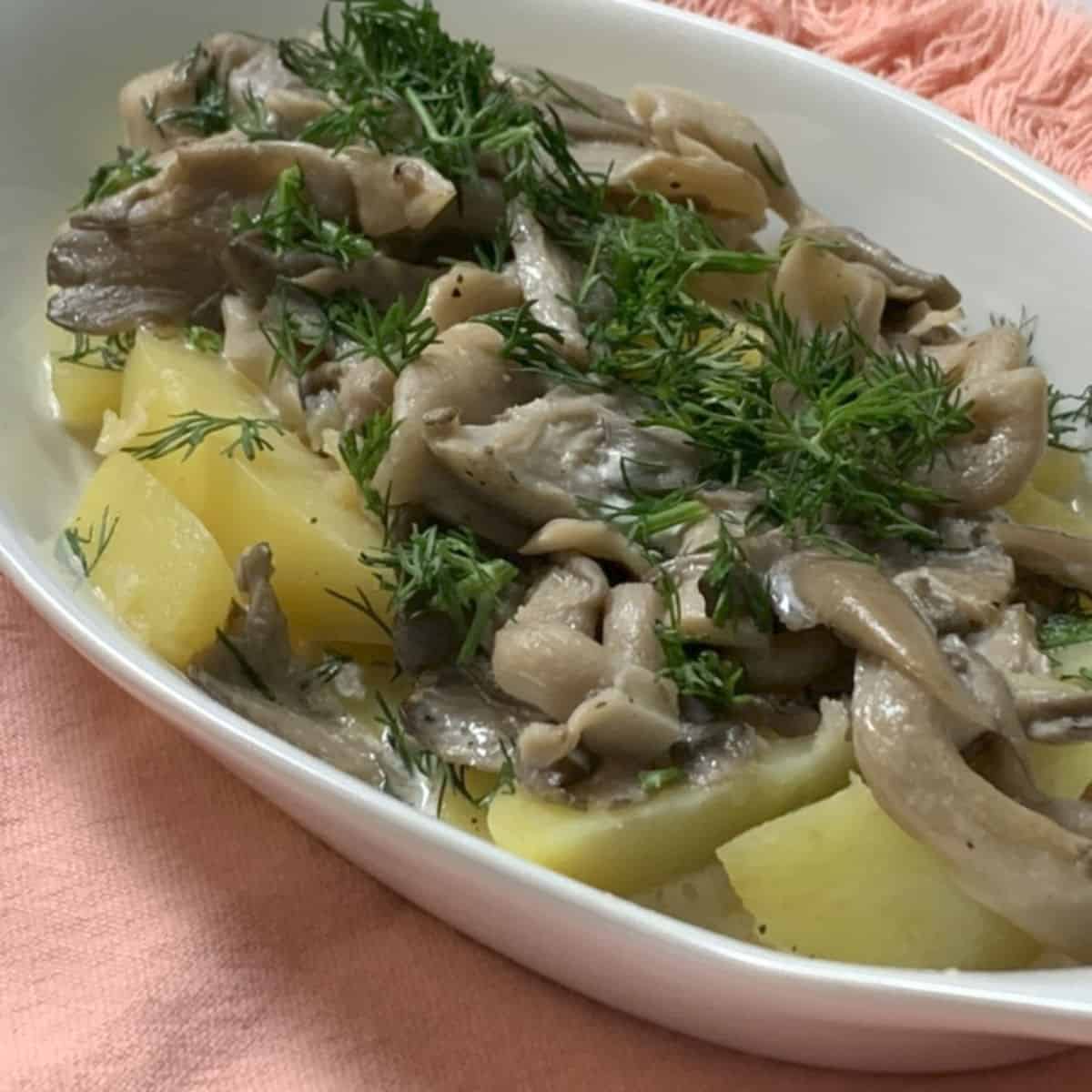
Tabbouleh’s shines when paired with grilled meats or vegetables. Its crispness provides an ideal counterpoint to smoky, charred flavors – think grilled chicken, lamb kebabs, halloumi cheese, smoked salmon, pork tenderloin, or smoked mushrooms.
Serve tabbouleh appetizer-style stuffed inside small tomatoes or cucumbers.
Serve the authentic tabbouleh salad with this crispy falafel waffles. They make a satisfying combination for lunch or dinner.
Tips and Wisdom from Cafe Osharak
Chop herbs with care: A sharp knife keeps the parsley from bruising and turning soggy.
Don’t over-soak bulgur: Less water means it can absorb all the vegetable juices without getting mushy.
Taste and adjust: The flavors meld as it sits so don’t be shy with lemon or seasoning.
Chill for at least one hour. It gets better with a little rest.
Lettuce isn’t just a serving tool—it’s part of the joy of eating tabbouleh.
Lemon juice is also an important ingredient, and you will need a good quarter-cup or more. And don’t use bottled lemon juice. You need fresh squeezed, full body lemon juice to add liveliness and marry all the other ingredients. Give a taste-test before and after you chill the salad.
Frequently Asked Questions
What is bulgur?
Wheat was one of the first cultivated agricultural crops of the Fertile Crescent and in thousands of years of cultivation, people found various ways to process and use wheat, to make it more convenient and accessible. Bulgur is a wheat berry parboiled, sundried, and cracked. Bulgur wheat comes in different sizes from fine to super coarse and each size calls for different uses. Since it is already par-cooked it is very convenient to use for a quick meal. It is used for making pilafs, koftas, salads, soup and much more.
What is in traditional tabbouleh salad?
Even though the main ingredient in tabbouleh is bulgur, the star of traditional tabbouleh is parsley (fresh and finely chopped) which always dominates and balances out the nuttiness of the bulgur and the brightness of the tomatoes. This recipe variation is made with bulgur, parsley, tomatoes, cucumbers, mint, lettuce, and scallions.
More Armenian & Middle Eastern Salads
Tabbouleh is the herb salad – not a grain salad with herbs but a herb salad with a small amount of grain. Once that distinction is clear, these are the other dishes that share the same freshness and the same meze spirit.
Wilted Purslane Salad – another herb-forward salad from the Armenian tradition – purslane briefly blanched, dressed with garlic brine
Solomon’s Seal Salad – the spring foraged green prepared as a simple salad – a different season, the same restraint
Hummus – the legume counterpart on the same meze table – always alongside tabbouleh, always necessary
Traditional tabbouleh is a perfect salad for spring and summer. Fine bulgur is macerated in fresh herbs and vegetable juices, seasoned with spices, dredged with olive oil, and infused with lemon juice.
3 cupsflat-leaf parsley leaves and tender stemschopped fine
2-3tomatoesdiced small
1-2cucumbersdiced
4scallionssliced ¼ cup
1/4cuplemon juicemore to taste
6mint leaveschopped
1/2cupolive oil
1teaspoonsalt
½teaspoonAleppo pepper
1teaspoonpaprika
Instructions
In a small bowl cover the bulgur with 1⁄2 cup of hot water and ½ teaspoon of salt, cover and set aside to hydrate.
Dice the tomatoes and cucumbers and place in a large bowl.
Chop the scallions and parsley as finely as you can and add to the bowl.
Check the bulgur, it should be fluffed and doubled in volume. Add it to the rest of the ingredients. Toss all together and season with salt and spices. Add the lemon juice and give it a stir. Drizzle with the olive oil and lastly, chop the mint and add it to the salad.
Chill the salad in the fridge for a couple of hours. The bulgur will absorb the additional juices from the vegetables and greens.
If there is too much liquid in the salad you can drain it to prevent sogginess. Adjust the seasoning and add lemon juice to taste.
Serve on a bed of whole leaf lettuce, with lavash or pita bread.
Notes
Step-by-Step Photos: My blog post includes helpful step-by-step photos to help guide you through making this recipe.
Chop herbs with care: A sharp knife keeps the parsley from bruising and turning soggy.
Don’t over-soak bulgur: Less water means it can absorb all the vegetable juices without getting mushy.
Taste and adjust: The flavors meld as it sits so don’t be shy with lemon or seasoning.
Chill for at least one hour. It gets better with a little rest.
Lettuce isn’t just a serving tool—it’s part of the joy of eating tabbouleh.
Lemon juice is also an important ingredient, and you will need a good quarter-cup or more. And don’t use bottled lemon juice. You need fresh squeezed, full body lemon juice to add liveliness and marry all the other ingredients. Give a taste-test before and after you chill the salad.
Noune is the creator of Café Osharak, where she shares globally inspired recipes with a focus on Armenian and Italian cuisine. Blending family traditions with her passion for cooking and baking, she invites readers to celebrate food, culture, and connection at the table.
We use cookies on our website to give you the most relevant experience by remembering your preferences and repeat visits. By clicking “Accept”, you consent to the use of ALL the cookies.
This website uses cookies to improve your experience while you navigate through the website. Out of these, the cookies that are categorized as necessary are stored on your browser as they are essential for the working of basic functionalities of the website. We also use third-party cookies that help us analyze and understand how you use this website. These cookies will be stored in your browser only with your consent. You also have the option to opt-out of these cookies. But opting out of some of these cookies may affect your browsing experience.
Necessary cookies are absolutely essential for the website to function properly. These cookies ensure basic functionalities and security features of the website, anonymously.
Cookie
Duration
Description
cookielawinfo-checkbox-analytics
11 months
This cookie is set by GDPR Cookie Consent plugin. The cookie is used to store the user consent for the cookies in the category "Analytics".
cookielawinfo-checkbox-functional
11 months
The cookie is set by GDPR cookie consent to record the user consent for the cookies in the category "Functional".
cookielawinfo-checkbox-necessary
11 months
This cookie is set by GDPR Cookie Consent plugin. The cookies is used to store the user consent for the cookies in the category "Necessary".
cookielawinfo-checkbox-others
11 months
This cookie is set by GDPR Cookie Consent plugin. The cookie is used to store the user consent for the cookies in the category "Other.
cookielawinfo-checkbox-performance
11 months
This cookie is set by GDPR Cookie Consent plugin. The cookie is used to store the user consent for the cookies in the category "Performance".
viewed_cookie_policy
11 months
The cookie is set by the GDPR Cookie Consent plugin and is used to store whether or not user has consented to the use of cookies. It does not store any personal data.
Functional cookies help to perform certain functionalities like sharing the content of the website on social media platforms, collect feedbacks, and other third-party features.
Performance cookies are used to understand and analyze the key performance indexes of the website which helps in delivering a better user experience for the visitors.
Analytical cookies are used to understand how visitors interact with the website. These cookies help provide information on metrics the number of visitors, bounce rate, traffic source, etc.
Advertisement cookies are used to provide visitors with relevant ads and marketing campaigns. These cookies track visitors across websites and collect information to provide customized ads.