Mousseline Cream Recipe – Silky, Stable, and Endlessly Versatile


This post may contain affiliate links. As an Amazon Associate, I earn from qualifying purchases. See my Affiliate Disclosure .
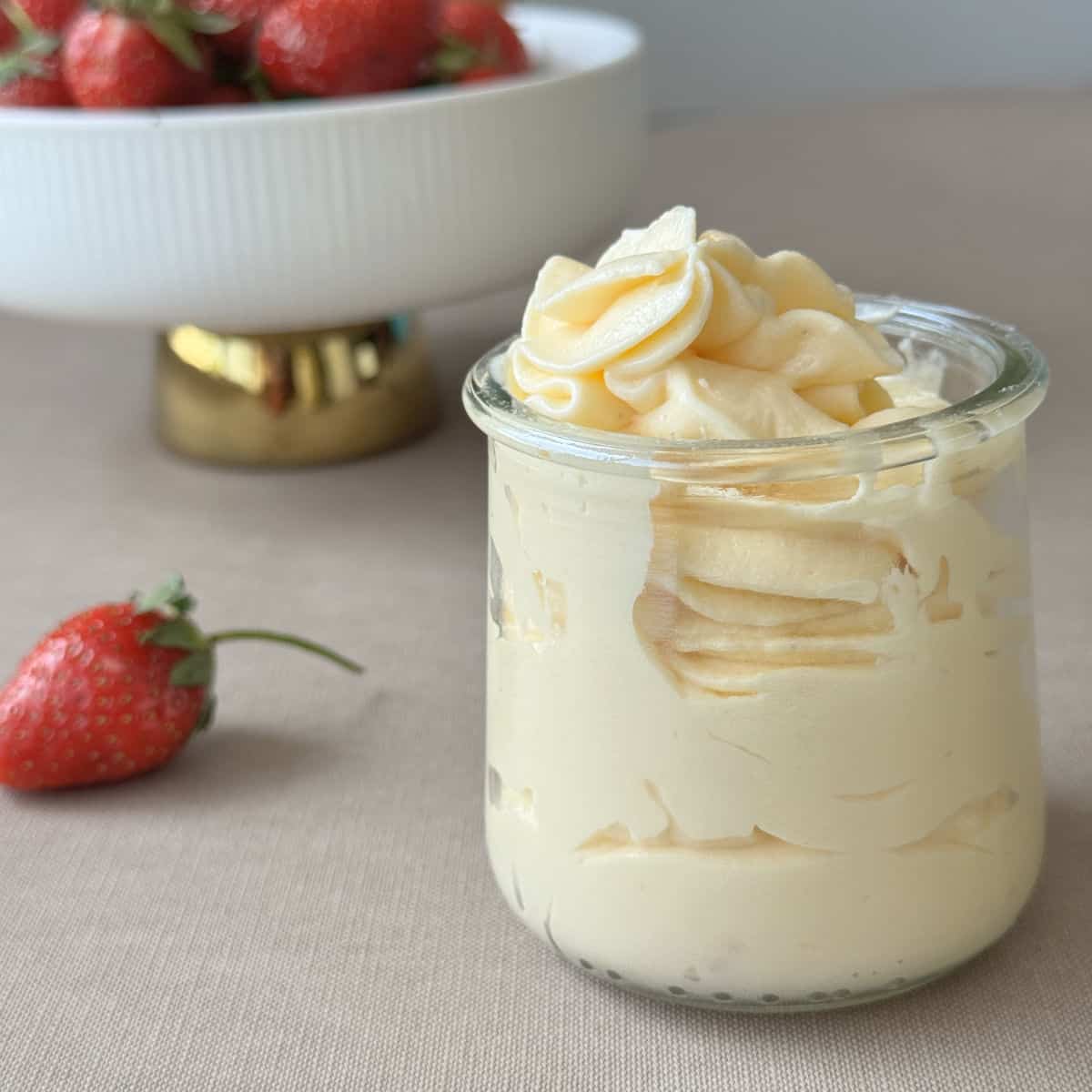
Crème mousseline is a French pastry cream enriched with softened butter – silkier than buttercream, more stable than whipped cream, and lighter than either. It is the filling that turns a simple sponge into a fraisier, a choux shell into an éclair worth remembering, and a domed cake into something that belongs on a patisserie counter. Once you understand how it works, you’ll find yourself reaching for it again and again.

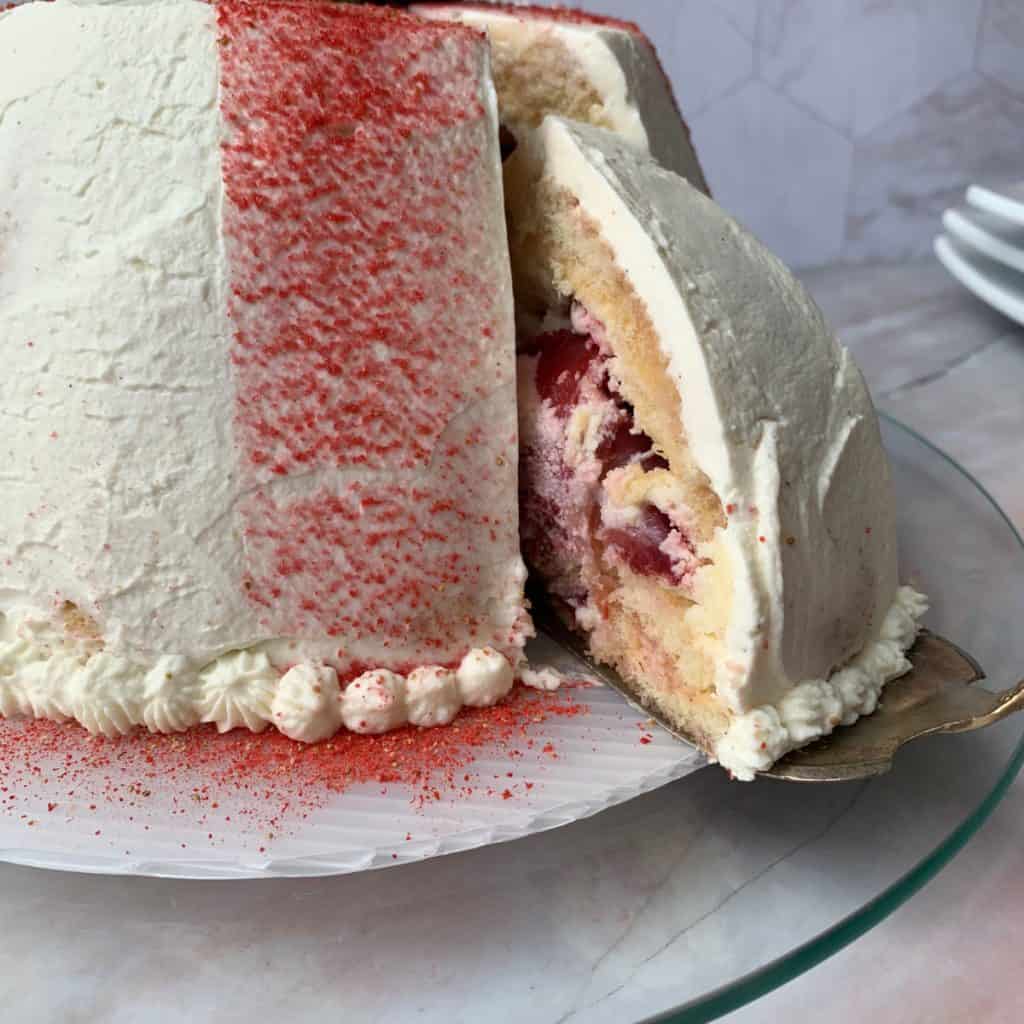
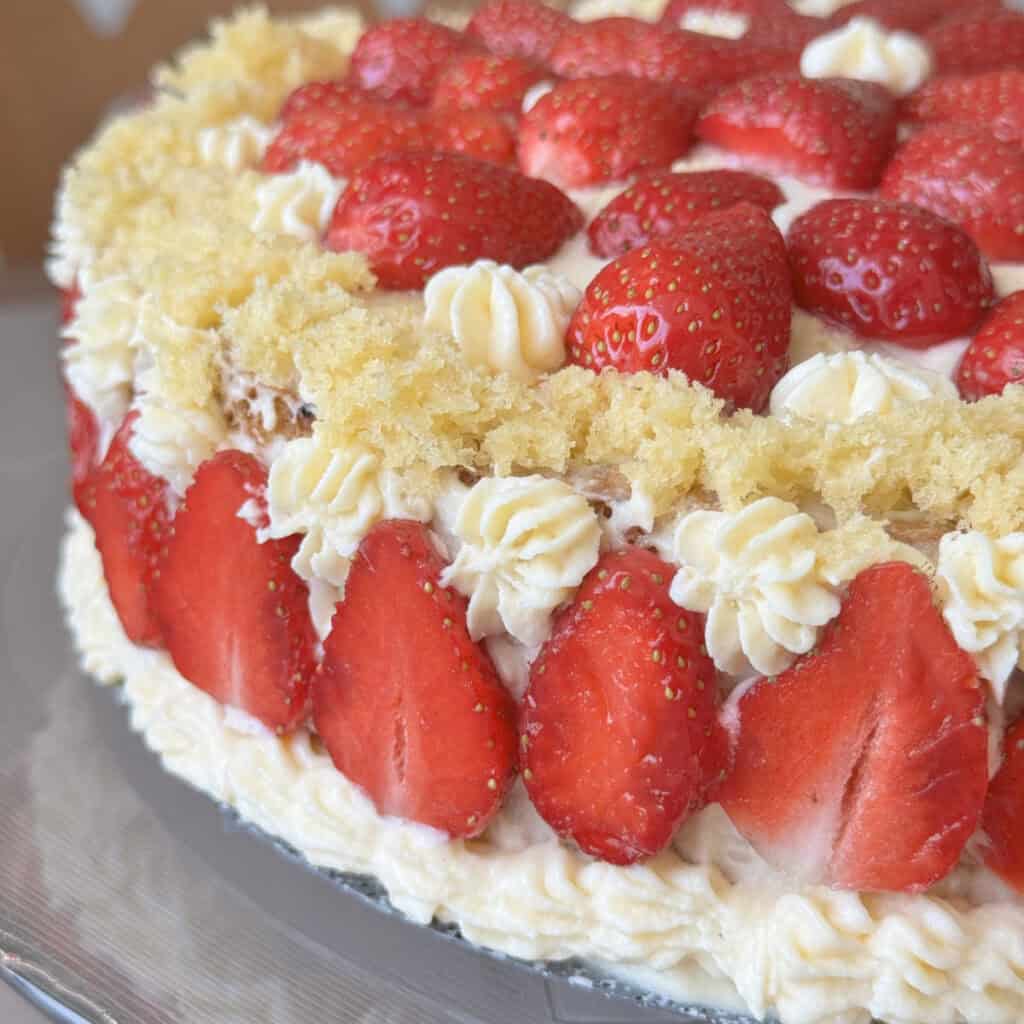
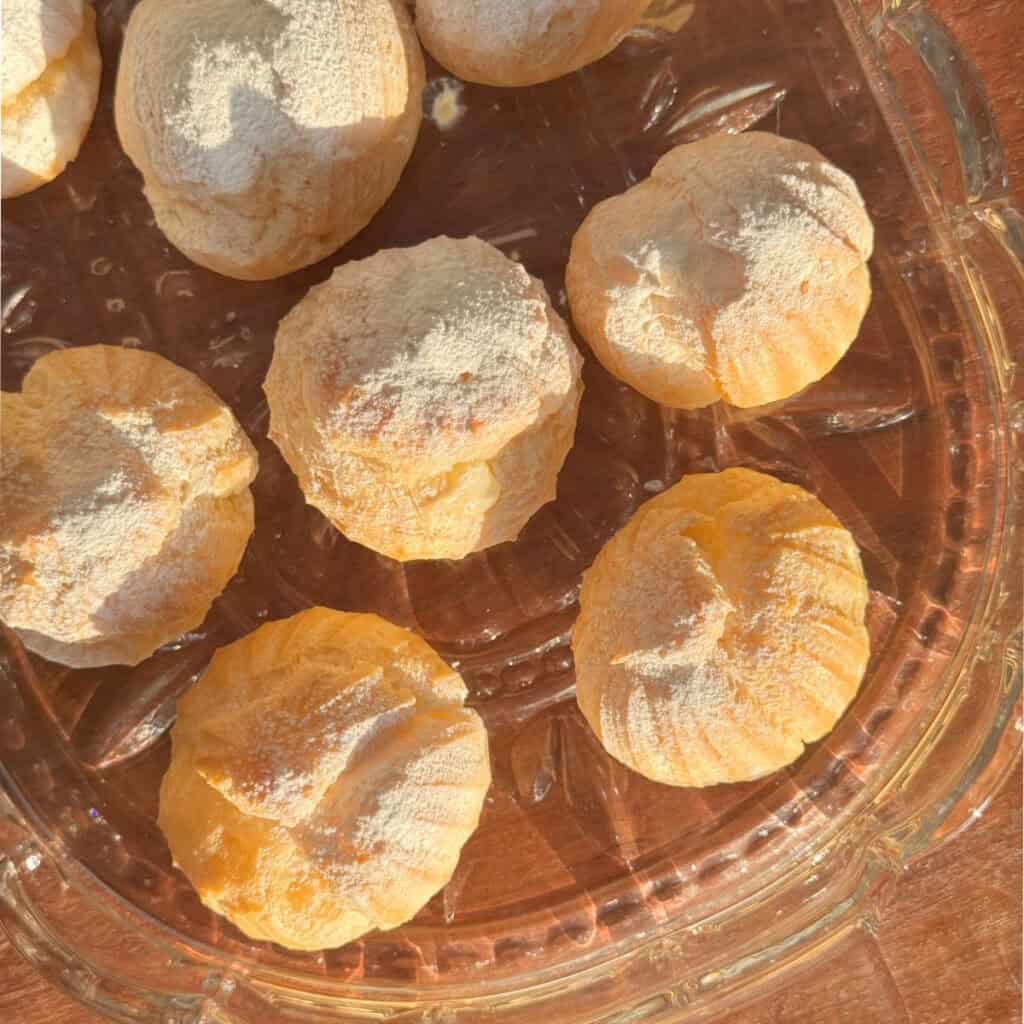
Mousseline cream — crème mousseline in French — is the filling behind some of the most beloved European cakes. You’ll find it layered inside bird’s milk cake, spooned into cream puffs and profiteroles, spread between the sponge layers of a strawberry fraisier, and piped into walnut-shaped waffle cookies. It is also the cream I plan to use in my upcoming Napoleon mille-feuille — so this guide is the place to start.
Here is everything you need to know about making mousseline cream at home — what it is, how it differs from other creams, how to flavor it, and where to use it.
Thanks to its stability and elegant finish, it’s often used to fill layer cakes such as bird’s milk cake, fruit tarts, and cream puffs, and it pipes beautifully into choux pastry or even between cookies like walnut-shaped waffle. Once you master this recipe, it becomes a go-to filling for everything from birthday cakes to everyday treats.
Today, I’m sharing everything you need to know about mousseline cream – the light, silky-smooth classic that’s buttery without being heavy, and sweet or ever being cloying.
Table of Contents
How mousseline cream compares to other fillings
Mousseline cream is a pastry cream – a cooked custard of milk, egg yolks, sugar, and starch – into which softened butter is beaten after cooling. The result is richer and more stable than pastry cream alone, yet far lighter and less sweet than a classic buttercream. The French name comes from mousseline, the sheer woven fabric, which gives you a sense of the texture you’re aiming for: something with body but no heaviness.
It is also sometimes called German buttercream in English-language baking, though this name is less precise and less commonly used in professional pastry kitchens. If you see crème mousseline in a French recipe, this is what it means.
|
Cream |
Base |
Best for |
|---|---|---|
|
Mousseline cream |
Pastry cream + butter |
Layer cakes, éclairs, tarts, choux, |
|
Pastry cream |
Milk, eggs, starch |
Tart filling, mille-feuille |
|
Classic buttercream |
Butter + sugar or meringue |
Frosting, piping decorations |
|
Whipped cream |
Heavy cream+sugar |
Short-term fillings, garnish |
|
Diplomat cream |
Pastry cream + whipped cream |
Light fruit tarts, mille-feuille |
What is the advantage of mousseline cream compares to other fillings?
The key advantage of mousseline over whipped cream is stability – it holds its shape in the fridge for days and doesn’t weep. The key advantage over buttercream is lightness – it doesn’t coat your mouth or overwhelm the other flavors in the dessert.
Reasons to Love This Cream Recipe

Best Uses for Mousseline Cream
Mousseline cream works wherever you need a filling that holds its shape, can be made a day ahead, and tastes like something from a proper pastry kitchen. These are the recipes on Café Osharak that use it – each one a slightly different application.

Grocery and Pantry List
Variations and Flavor Ideas
Vanilla is the classic, but mousseline cream takes flavor additions beautifully. Each variation below follows the same base recipe — just stir or fold the addition in at the end, once the cream is fully made and smooth.
Time Required:
Special Tools to Use:
Recipe Steps at a Glance
This mousseline buttercream recipe can be broken down into the following steps:
Step-by-step: How to Make Cream Mousseline
Step 1: Make the Pastry Cream

Heat the Milk: In a thick bottom saucepan, heat the milk over medium heat. I like to add the vanilla paste or extract to infuse the milk. Bring it to a steaming while frequently whisking. This will prevent film from forming on the top.
Whisk the Egg Mixture: In a separate bowl, using a hand mixer or ballon whisk, whip together egg yolks and sugar until smooth and pale ribbon consistency.
Lower the speed to incorporate the sifted cornstarch. Alternatively, you can fold in the sifted cornstarch.
Slowly pour half of the warm milk into the egg mixture while whisking continuously. This will prevent the eggs from scrambling.
Pass the pastry cream through a sieve into a bowl to make sure there are no lump and particles.
Cook Until Thickened: When the milk and egg mixture is completely incorporated, pour it back into the saucepan and cook over medium heat. At this stage, I like to use a wooden spoon stirring constantly, making sure to scrape the corners and the bottom of the pan until it thickens into a smooth custard.

Cover with plastic wrap touching the surface to prevent skin from forming. Let it cool completely before using it.
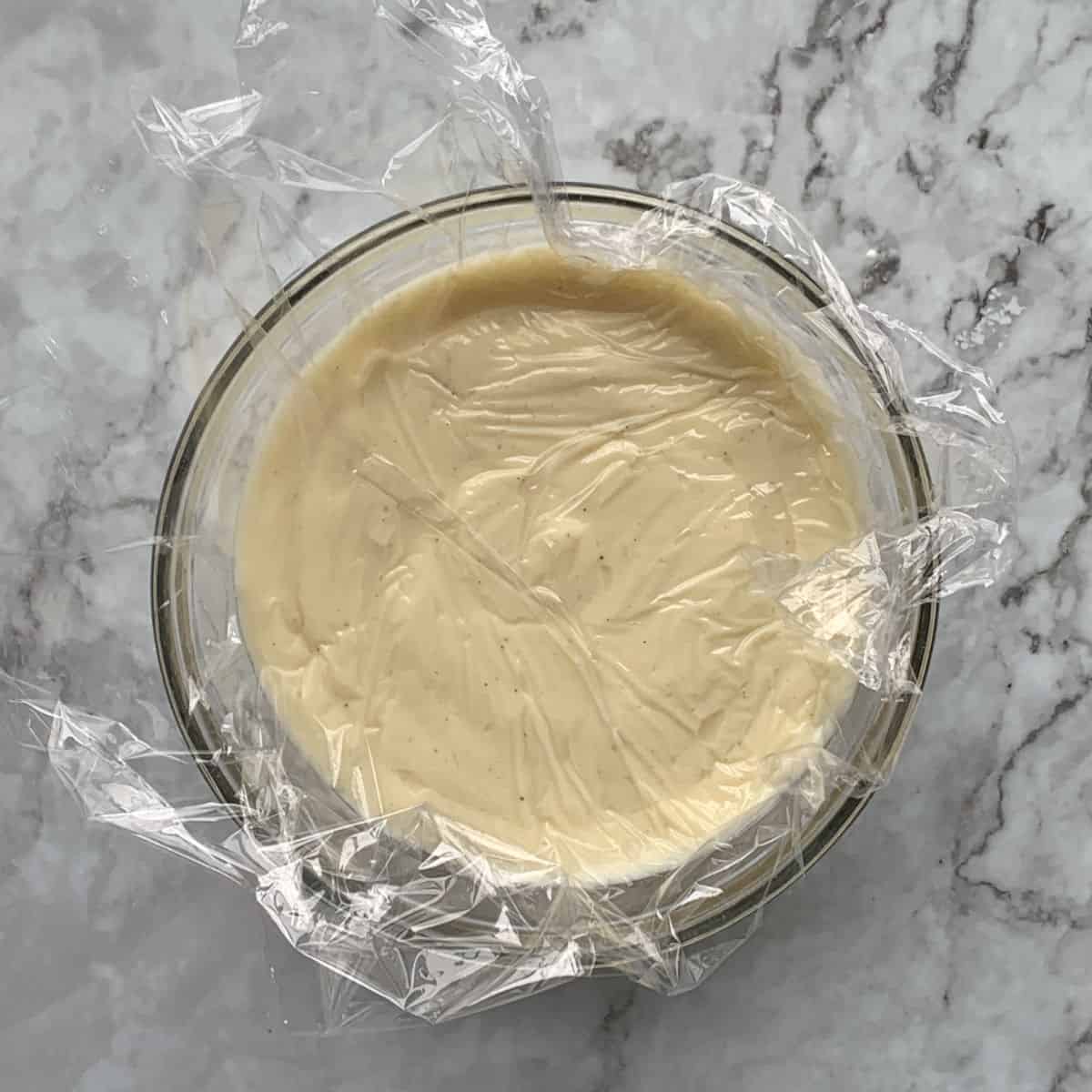
If you are making the pastry cream ahead of time, you need to store it in the fridge once cool enough; but make sure you take it out (and allow it to come to room temperature) before moving on to the next step.
Step 2: Whip the Butter and Combine
Beat the softened butter on high speed until it becomes pale and fluffy (about 3-5 minutes). Whip the softened butter on high speed until very pale and creamy. I highly recommend you use a stand mixer with a whisk attachment for this. You could use a handheld electric mixer but it will take a while for the butter to be whipped enough, so it could become tiring. I whipped my butter on high speed for about 3 minutes. It should look like slightly yellow whipped cream.
Add Pastry Cream: Bring the pastry cream to room temperature. Loosen the pastry cream with a whisk. Gradually add the pastry cream to the butter, one spoonful at a time, while beating on medium speed.
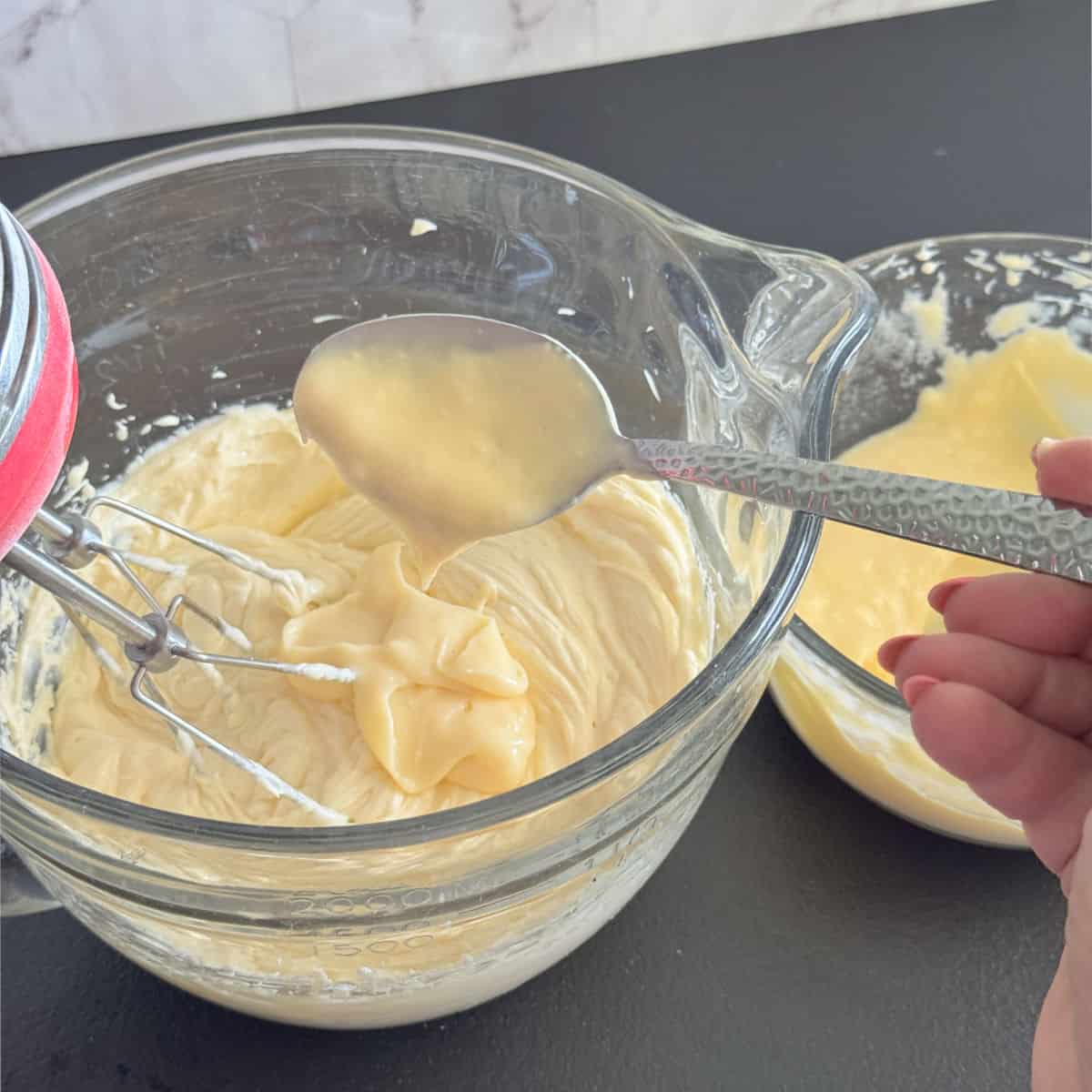
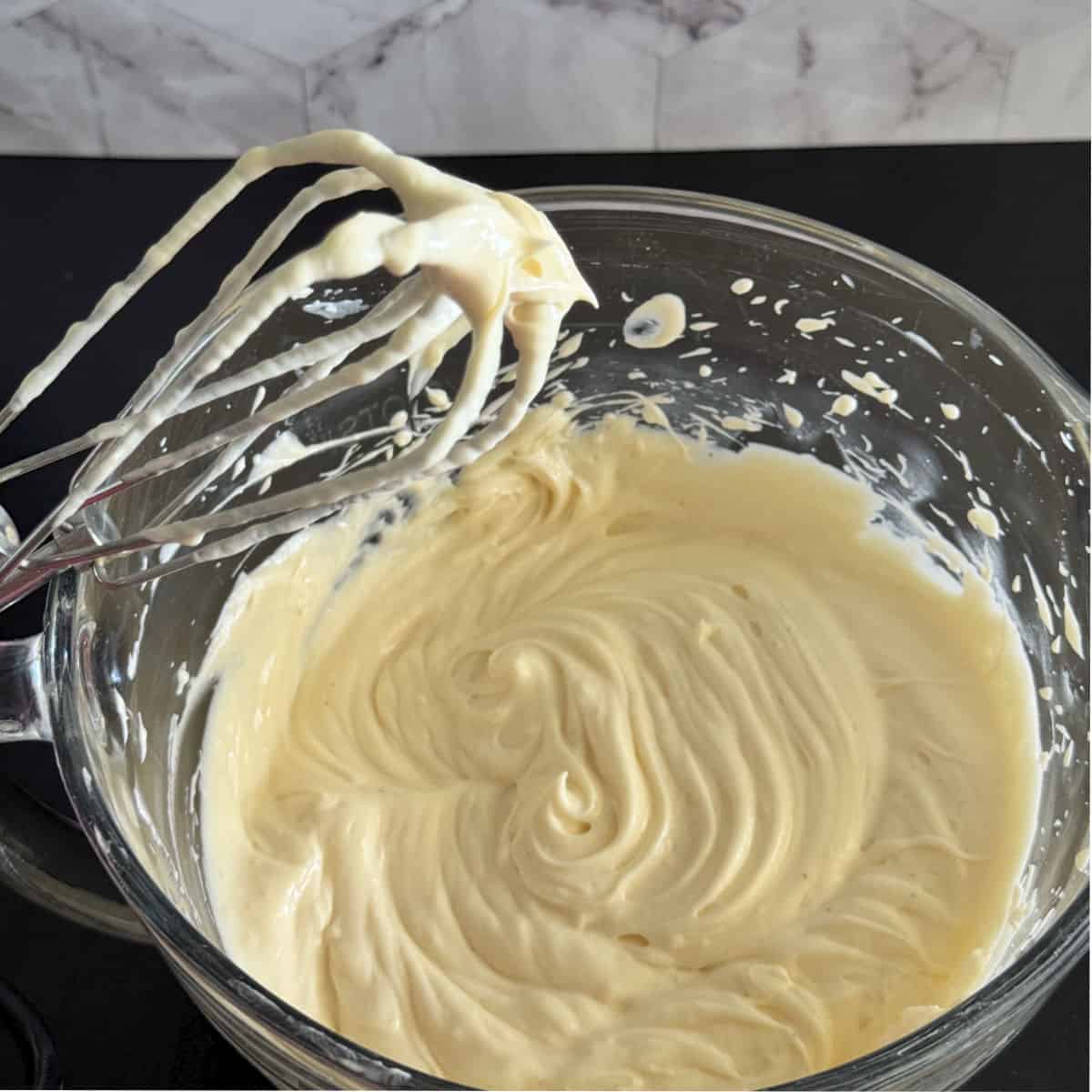
Whip Until Smooth: Continue mixing until fully incorporated and the texture is smooth and airy.
Tips and Wisdom from Cafe Osharak
Frequently Asked Questions
What is the difference between mousseline cream and buttercream?
Buttercream is made primarily from butter – either beaten with powdered sugar, or emulsified with a meringue or sugar syrup. It is rich, dense, and very sweet. Mousseline cream starts from a cooked pastry cream base, which means it is lighter in texture, less sweet, and has a more complex flavor from the milk and egg yolks. It is also more perishable and must be refrigerated, while some buttercreams can sit at room temperature for a few hours.
What is the difference between pastry cream and mousseline cream?
Pastry cream (crème pâtissière) is the base. It is a thick cooked custard of milk, egg yolks, sugar, and starch – set enough to hold its shape in a tart but too dense to pipe into a delicate layer cake. Mousseline cream takes that same base and whips softened butter into it once it has cooled. The butter aerates the cream and makes it lighter, silkier, and more stable. Think of pastry cream as the foundation and mousseline as the finished structure. The proportions for crème mousseline are 2 cups pastry cream to one cup very soft butter.
Is mousseline cream gluten-free?
It can be, yes. The recipe as I write it uses cornstarch as the thickener, which is naturally gluten-free. Some recipes call for all-purpose flour which makes it will no longer be gluten-free. Potato starch is another good gluten-free option and works in the same quantity as cornstarch.
How do I make a stiffer mousseline cream for piping?
Use equal parts pastry cream and butter by weight. The higher butter content gives you a cream that holds its shape well through a piping bag, which is what you want for cream puffs, éclairs, and sandwich cookies. For a softer, more spoonable cream – good for layering inside a cake – use half the amount of butter relative to the pastry cream. I’d recommend not going lower than that ratio, or the cream loses its structure.
Why is my mousseline cream grainy or curdled?
This almost always comes down to temperature. The pastry cream and the butter need to be at the same temperature – roughly room temperature – before you combine them. If the pastry cream is too cold, it will seize up against the butter and the mixture will look broken. If it happens, don’t panic: keep the mixer running and, if needed, warm the bowl briefly by setting it over a shallow pan of warm water. In most cases it will come back together within a minute or two of continued whipping.
Can I make mousseline cream ahead of time?
Yes – and I often do. The pastry cream base can be made up to two days ahead and stored in the fridge, covered with plastic wrap pressed directly on the surface. Once you add the butter and assemble the full mousseline, it keeps well in an airtight container in the fridge for up to three days. Before using it, bring it back to room temperature and give it a quick re-whip to restore its texture. It can also be frozen for up to two months – thaw overnight in the fridge, then re-whip.
Recipes That Use This Cream
Mousseline cream is the reason to read this guide – and these are the recipes where it earns its place. Once you have made it once, both of them become much more approachable.
More Recipes to Try from Cafe Osharak
Loved this recipe or any other from my blog? Leave a 🌟 star rating and share your experience in the 📝 comments below. Your feedback means a lot!
Cream Mousseline
Ingredients
For the Pastry Cream:
- 500 ml whole milk
- 4 large egg yolks
- ½ cup granulated sugar
- ¼ cup cornstarch
- 1 teaspoon vanilla extract or vanilla bean paste
- 2 tablespoons unsalted butter for pastry cream
For the Mousseline Buttercream:
- 200 g butter unsalted softened
Instructions
Making Pastry Cream
- In a thick bottom saucepan, heat the milk over medium heat. I like to add the vanilla paste or extract to infuse the milk. Bring it to a steaming while frequently whisking. This will prevent film from forming on the top.
- In a separate bowl, using a hand mixer or bollon whisk, whip together egg yolks and sugar until smooth and pale ribbon consistency.
- Incorporate the cornstarch: Lower the speed to incorporate the sifted cornstarch. Alternatively, you can fold in the sifted cornstarch.
- Slowly pour half of the warm milk into the egg mixture while whisking continuously. This will prevent the eggs from scrambling.
- When the milk and egg mixture is completely incorporated, pour it back into the saucepan and cook over medium heat. At this stage, I like to use a wooden spoon stirring constantly, making sure to scrape the corners and the bottom of the pan until it thickens into a smooth custard.
- Cover with plastic wrap touching the surface to prevent skin from forming. Let it cool completely before using it.
- If you are making the pastry cream ahead of time, you need to store it in the fridge once it is cool enough, but just make sure you take it out to come to room temperature before moving on to the next step.
Making Crème Mousseline
- In a stand mixer, beat the softened butter on high speed until it becomes pale and fluffy (about 3-5 minutes). Whip the softened butter on high speed until very pale and creamy.
- Bring the pastry cream to room temperature. Loosen the pastry cream with a whisk. Gradually add the pastry cream to the butter, one spoonful at a time, while beating on medium speed. Continue mixing until fully incorporated and the texture is smooth and airy.