
Armenian Rice Pilaf with Vermicelli (Chaltik Pilaf)


This post may contain affiliate links. As an Amazon Associate, I earn from qualifying purchases. See my Affiliate Disclosure .
Armenian rice pilaf with toasted vermicelli is one of those dishes that appears often on our holiday table. The combination of long-grain rice and lightly browned pasta creates a side dish that is simple yet deeply satisfying.
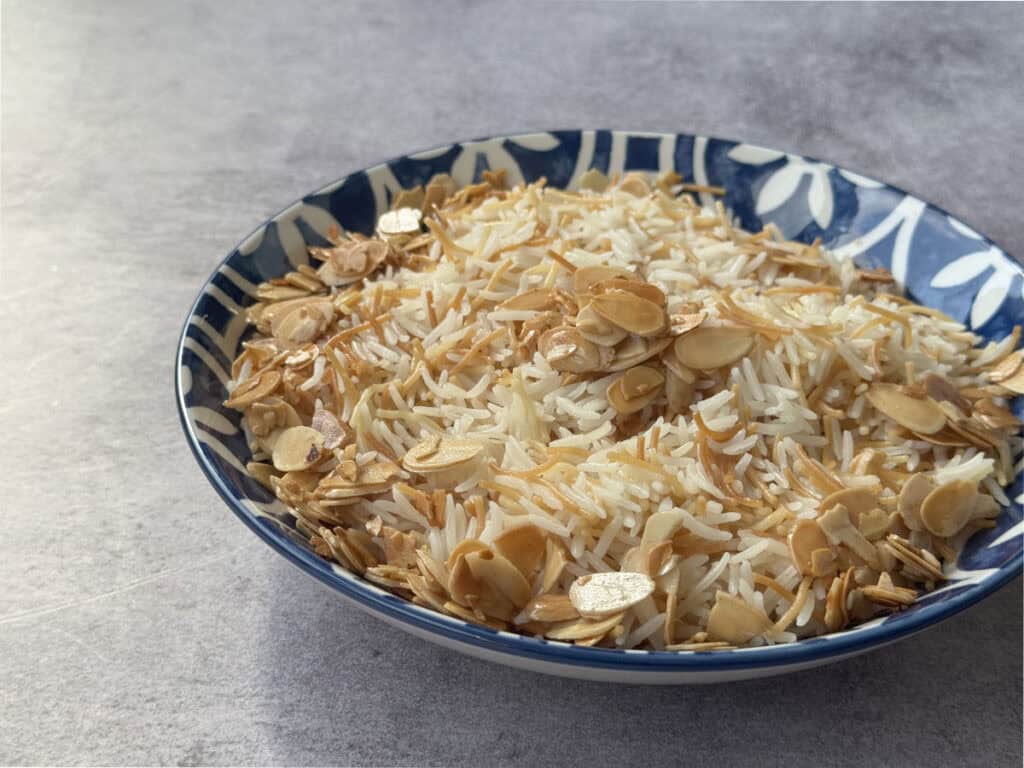
Two everyday pantry staples come together to form a pilaf that feels both comforting and festive. When finished with toasted almonds or pine nuts, it becomes a dish worthy of a special gathering.
At the same time, this pilaf is easy enough to prepare on a weeknight. It cooks quietly on the stove while the rest of the meal comes together.
What’s the Best Way to Serve It?
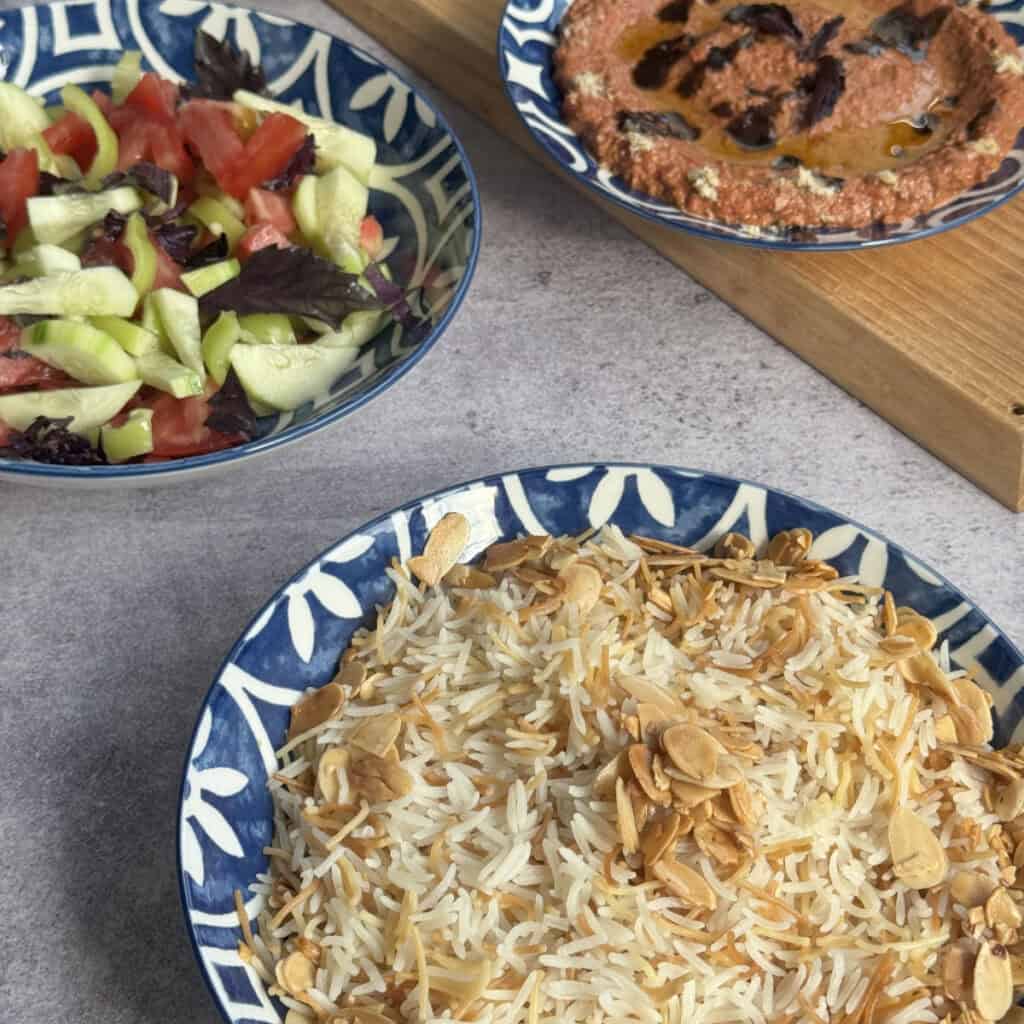
Rice pilaf is one of the most common side dishes served alongside Armenian meals. It pairs beautifully with braised meats, vegetable stews, and roasted dishes
Table of Contents
What Is Armenian Rice Pilaf (Chaltik Pilaf)?
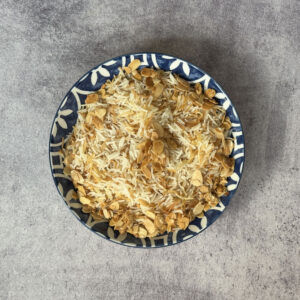
Armenian rice pilaf, often called Chaltik Pilaf (Չալտիկ փլավ), literally means speckled pilaf. It’s a simple but distinctive dish made by cooking rice with toasted vermicelli pasta in butter. The pasta is browned first, creating a nutty flavor that gives the pilaf its characteristic taste and golden color. Those amber flecks of pasta scattered through the white rice are the speckles that give the dish its name.
Versions of rice pilaf appear throughout the Middle East and Mediterranean, but the Armenian style is known for its balanced texture: fluffy rice with lightly toasted pasta woven throughout.
This dish is commonly served alongside roasted meats, braised dishes, and vegetable stews, making it one of the most versatile side dishes in traditional Armenian cuisine. On a holiday table it often shares the spread with manti and other festive dishes.
A Few Things Worth Knowing
Essential Grocery List and Ingredient Notes

Optional Substitutions and Customization
Special tools you’ll need
Estimated Time
Recipe Steps at a Glance
Here’s the whole recipe at a glance before you start.
Step-by-step: How to Make Armenian Rice Pilaf
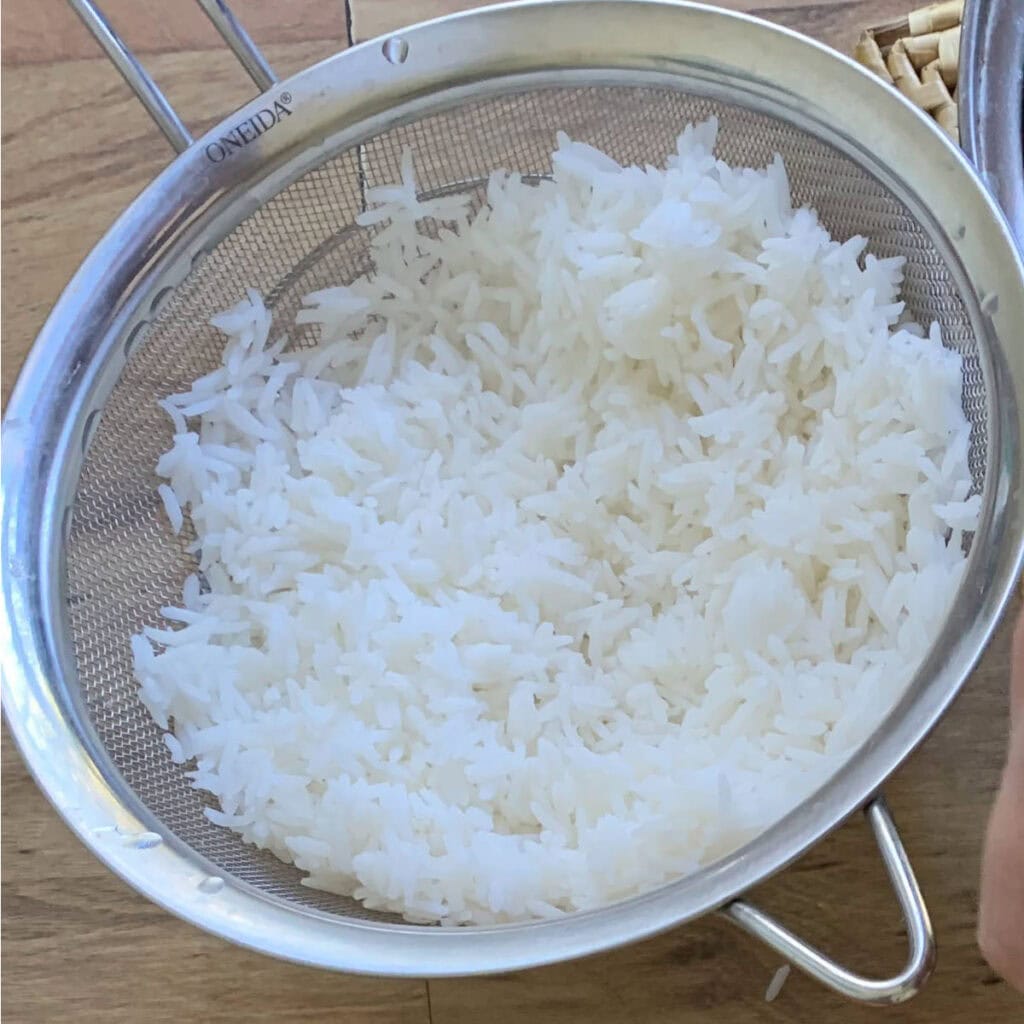
Step 1: Rinse the rice under running water and let it drain in a sieve.
Meanwhile, have the boiling water ready.
Place the rice in a sieve and rinse under cold running water until the water runs mostly clear.
Let the rice drain while you prepare the pan.
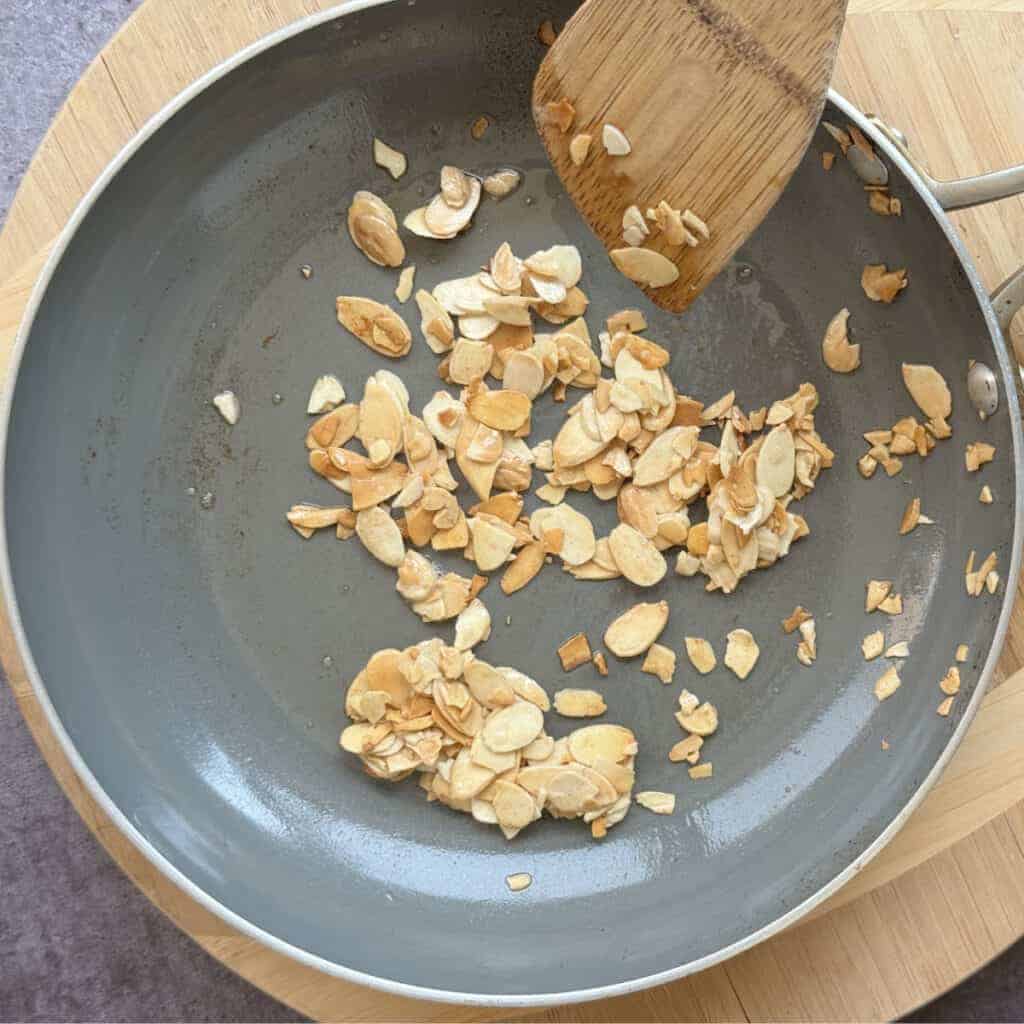
Step 2: If using almonds, melt 1 tablespoon butter in a sauté pan over medium heat.
Add the slivered almonds and stir constantly for 2–3 minutes until lightly golden.
Remove from the pan and set aside.
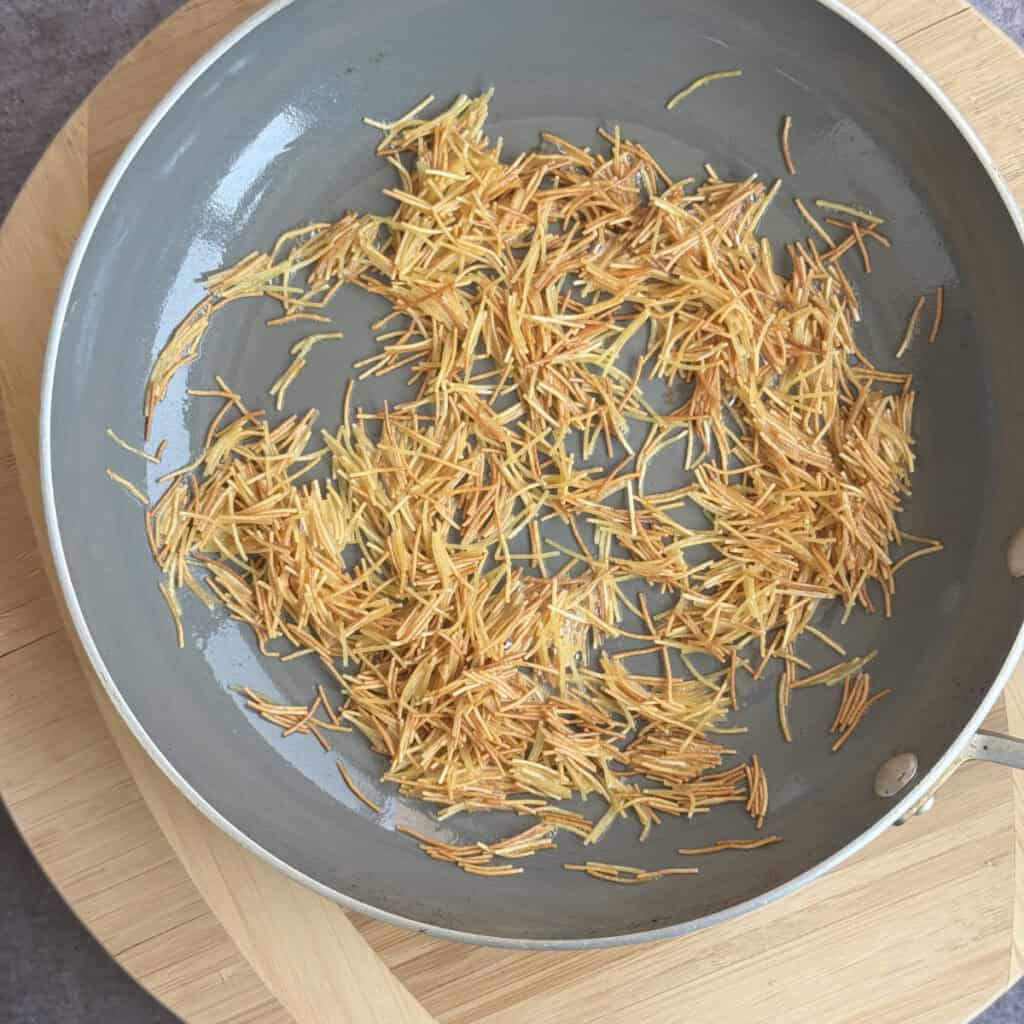
Step 3: In the same pan add the remaining butter and olive oil.
Add the fideo pasta and stir continuously. The pasta will begin to turn golden brown.
Stir frequently so it browns evenly without burning.
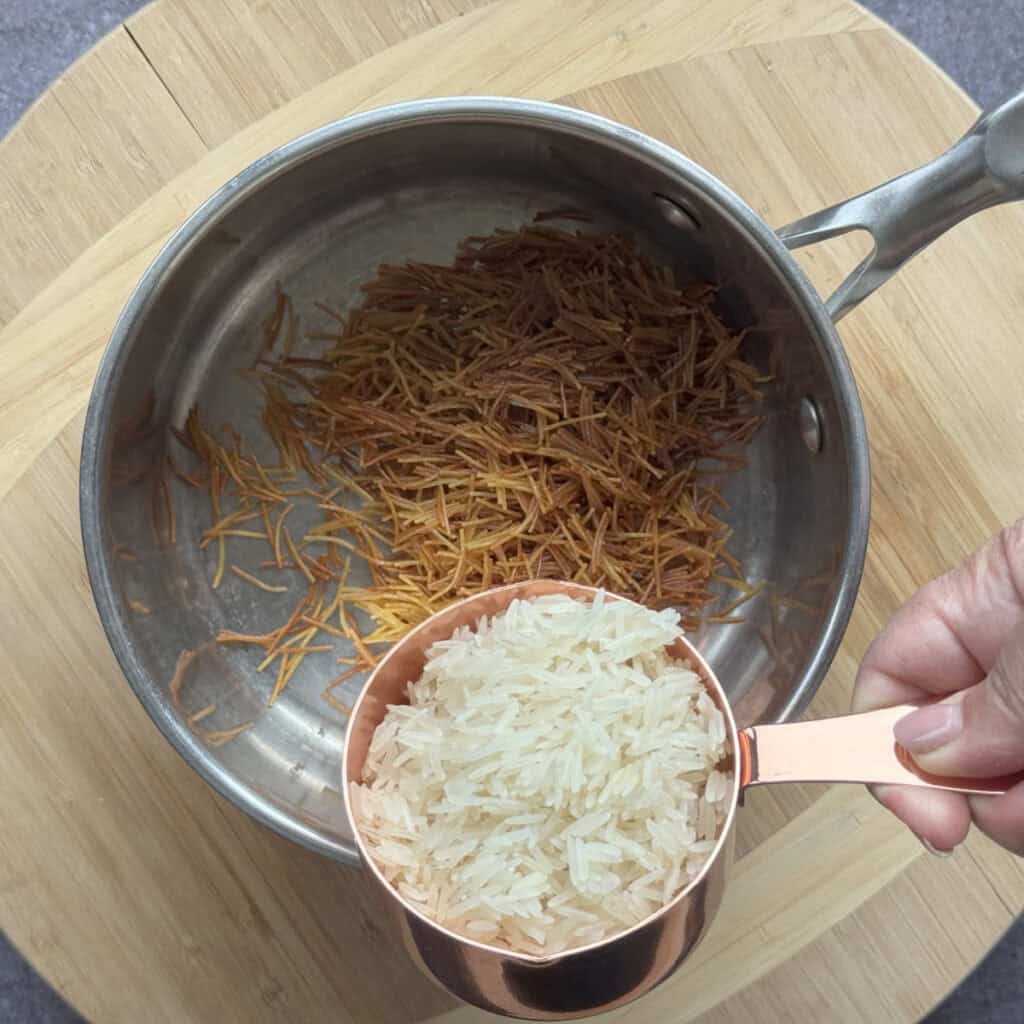
Step 4: Add the drained rice to the pan.
The rice will hiss as it hits the hot pan. Stir so every grain picks up a little of that toasted butter.
Why Is the Vermicelli Toasted?
Toasting the vermicelli is what gives pilaf its distinctive flavor.
When the pasta is browned in butter before adding the rice, it develops a lightly nutty aroma and golden color. This step also helps the pasta keep its texture while the rice cooks.
Without this step, the pilaf would taste flatter and lack the subtle contrast between the rice and the toasted pasta.
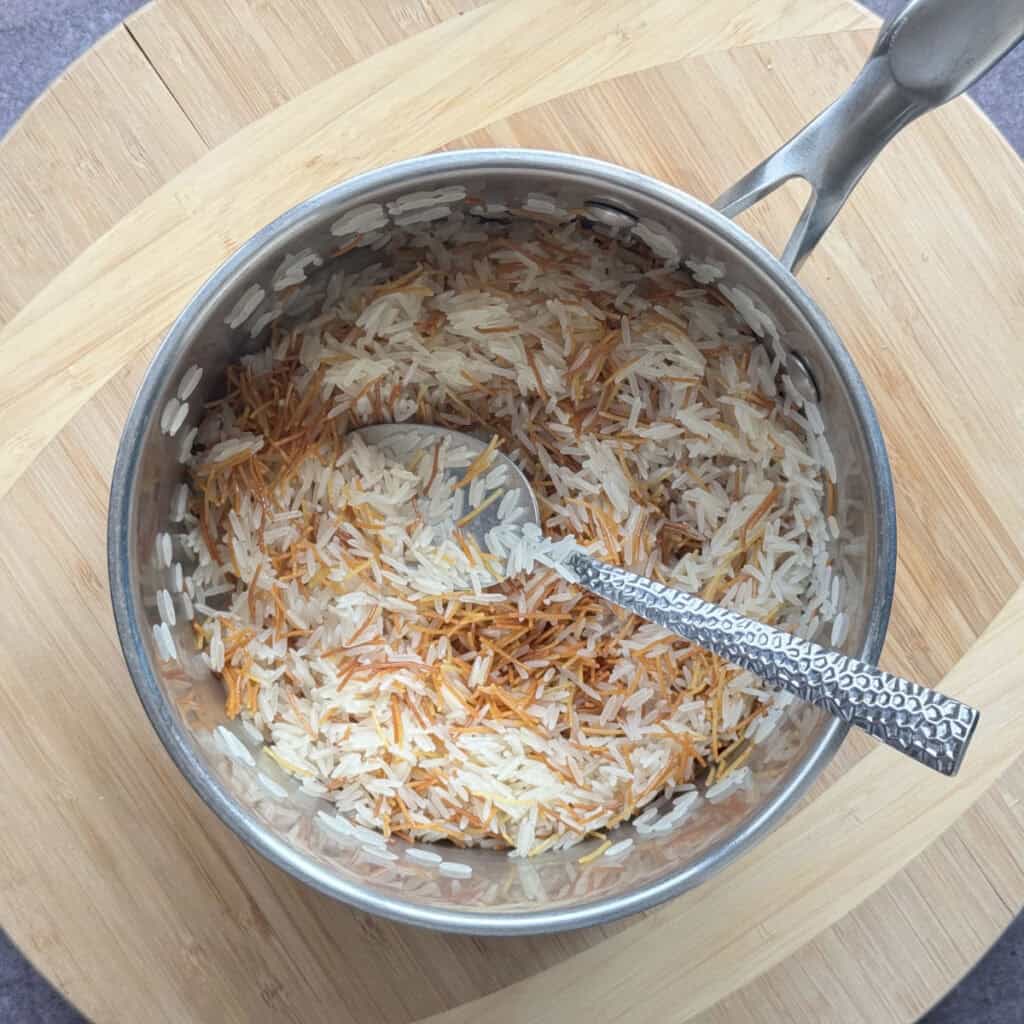
Step 5: Stir the rice and toasted pasta together for about 30 seconds so the grains become lightly coated in butter.
Pour in the boiling water or broth and season with salt and pepper. Bring it back to a gentle boil.

Step 6: Reduce the heat to low, cover the pan, and cook for 20 minutes, or until the water is absorbed.
Avoid lifting the lid while the rice cooks. Remove from the heat, let the pilaf rest for 5 minutes, then fluff with a fork.
Mound the pilaf on a platter and scatter the toasted almonds over the top.
Frequently Asked Questions
What is fideo pasta?
Fideo is a very thin pasta similar to vermicelli that is often used in Middle Eastern and Armenian rice pilafs.
Can I use spaghetti instead?
Yes. Use the thinnest pasta such as angel hair. Break thin spaghetti into small pieces before toasting.
Can I make this pilaf ahead of time?
Yes. It reheats well and can be made earlier in the day.
Storage & Make-Ahead Notes
This pilaf stores well and can be made earlier in the day. To reheat, add a few tablespoons of water to a small pan with a lid and warm on the lowest setting until heated through. The microwave works too. Leftovers keep in the refrigerator for 3-4 days.
More Rice and Grain Recipes to Try from Cafe Osharak
If you’d like more rice and grain recipes, be sure to explore these recipes.
More Armenian Recipes from Cafe Osharak
Each one is a family favorite that I can’t wait for you to try! Let me know how they turn out for you!
Loved this pilaf recipe or any other from my blog? Leave a 🌟 star rating and share your experience in the 📝 comments below. Your feedback means a lot!
Armenian Rice Pilaf with Vermicelli (Chaltik Pilaf)
Ingredients
- 1 cup long-grain white rice
- ½ cup vermicelli pasta or fideo pasta broken into small pieces
- 1 tablespoons Olive oil
- 3 tablespoons butter
- 2 1/2 cups broth or water hot
- ½ teaspoon salt adjust to taste
- ¼ teaspoon black pepper
- 1/4 cup Almond slivers
Instructions
- Place the rice in a bowl and rinse under cool water until the water runs mostly clear.
- Drain well.
- Melt the tablespoon of butter in a medium saucepan and add the almond slivers.
- Toast for 2 minutes until they are lightly toasted.
- Remove from the pan and set it aside.
- Using the same pan, melt the remaining butter and the oil to the same pan.
- Add the vermicelli and cook, stirring frequently, until the pasta turns golden brown. Watch carefully to prevent burning.
- Stir the rinsed rice into the toasted vermicelli.
- Cook for about 1 minute, allowing the grains to coat lightly with butter.
- Pour in the boiling water or broth and season with salt and pepper.
- Bring the mixture to a gentle boil.
- Reduce heat to low, cover, and cook for 20 minutes, or until the liquid is absorbed and the rice is tender.
- Remove from heat and let the pilaf rest 5 minutes.